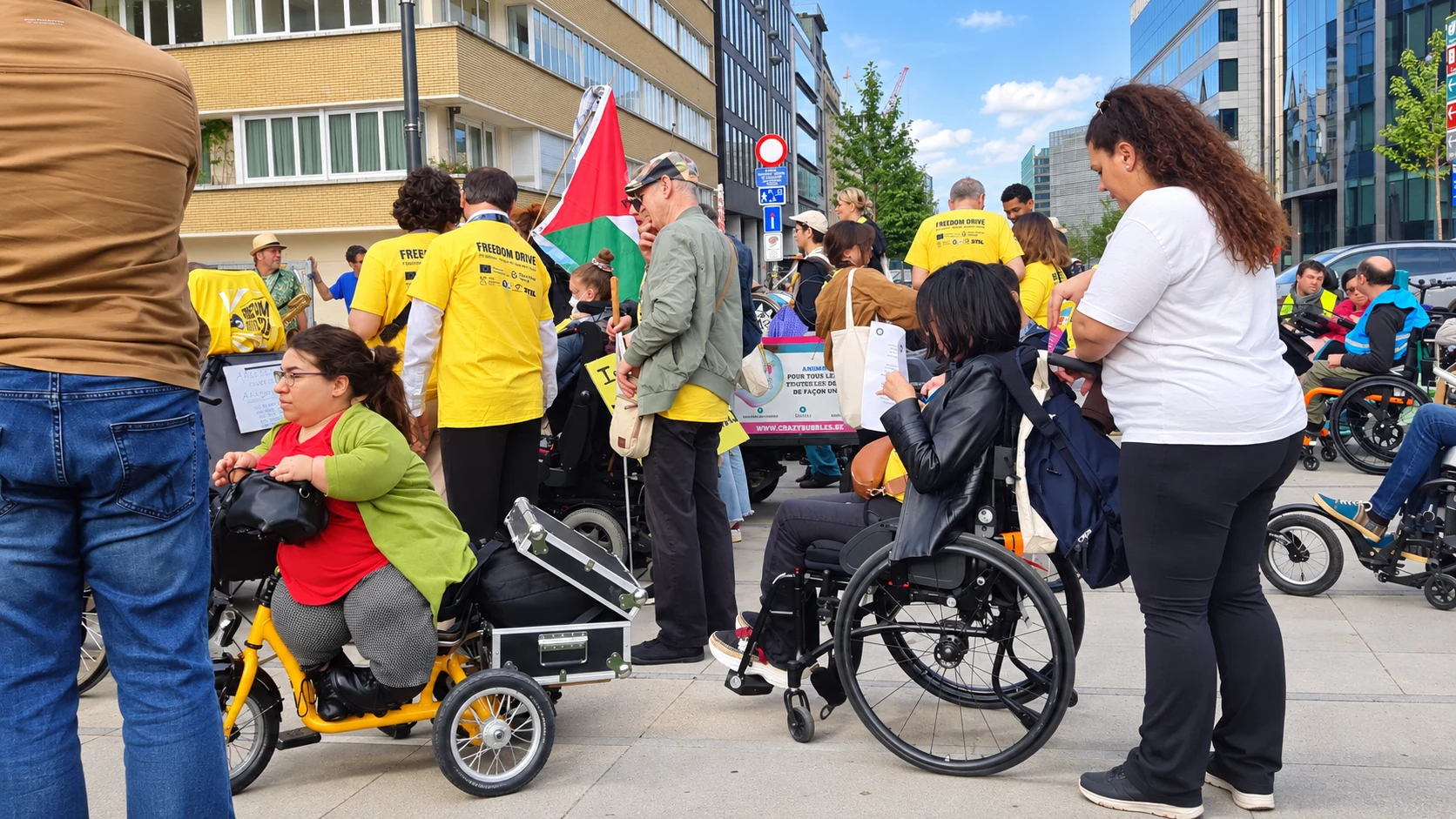
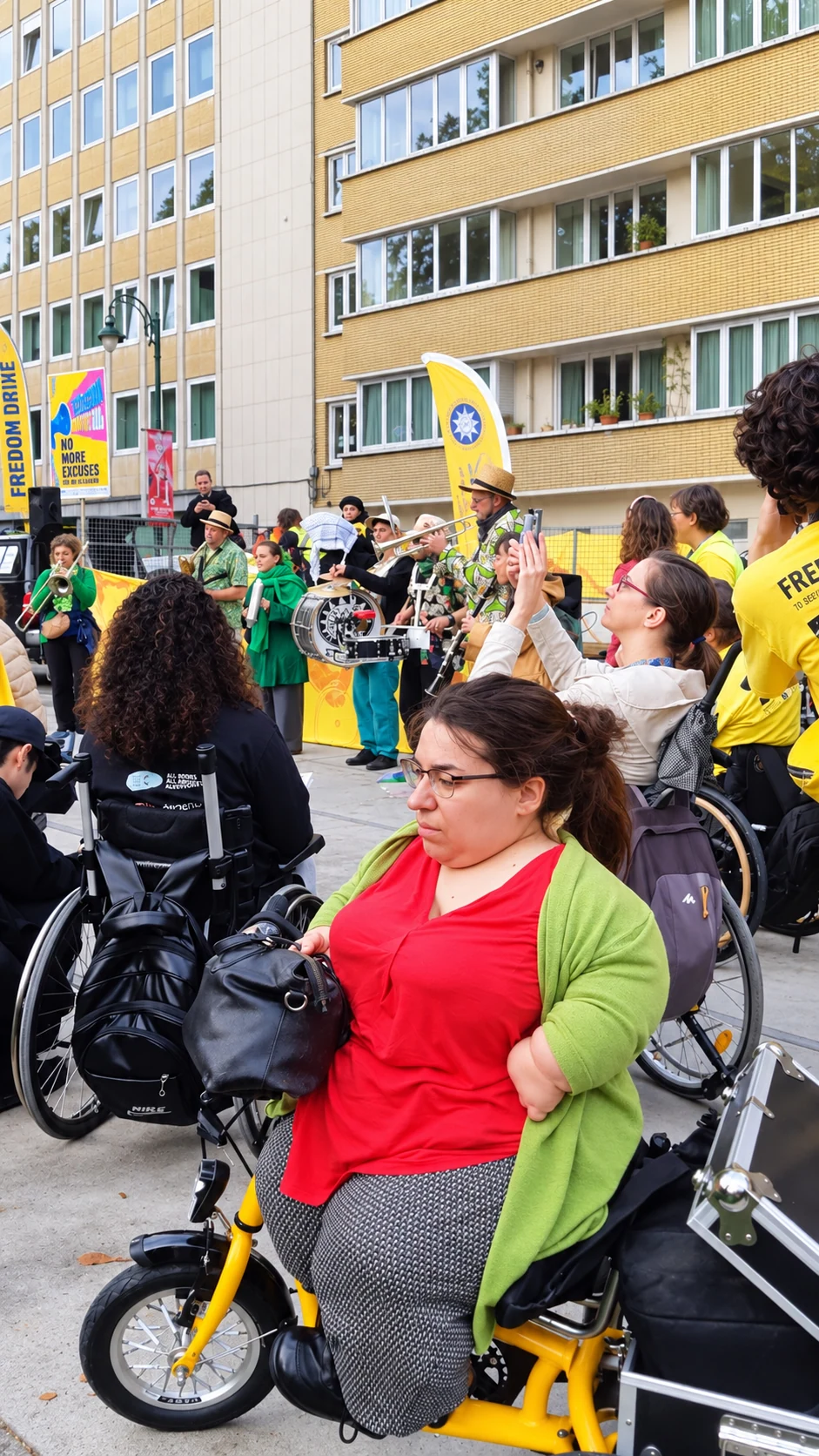
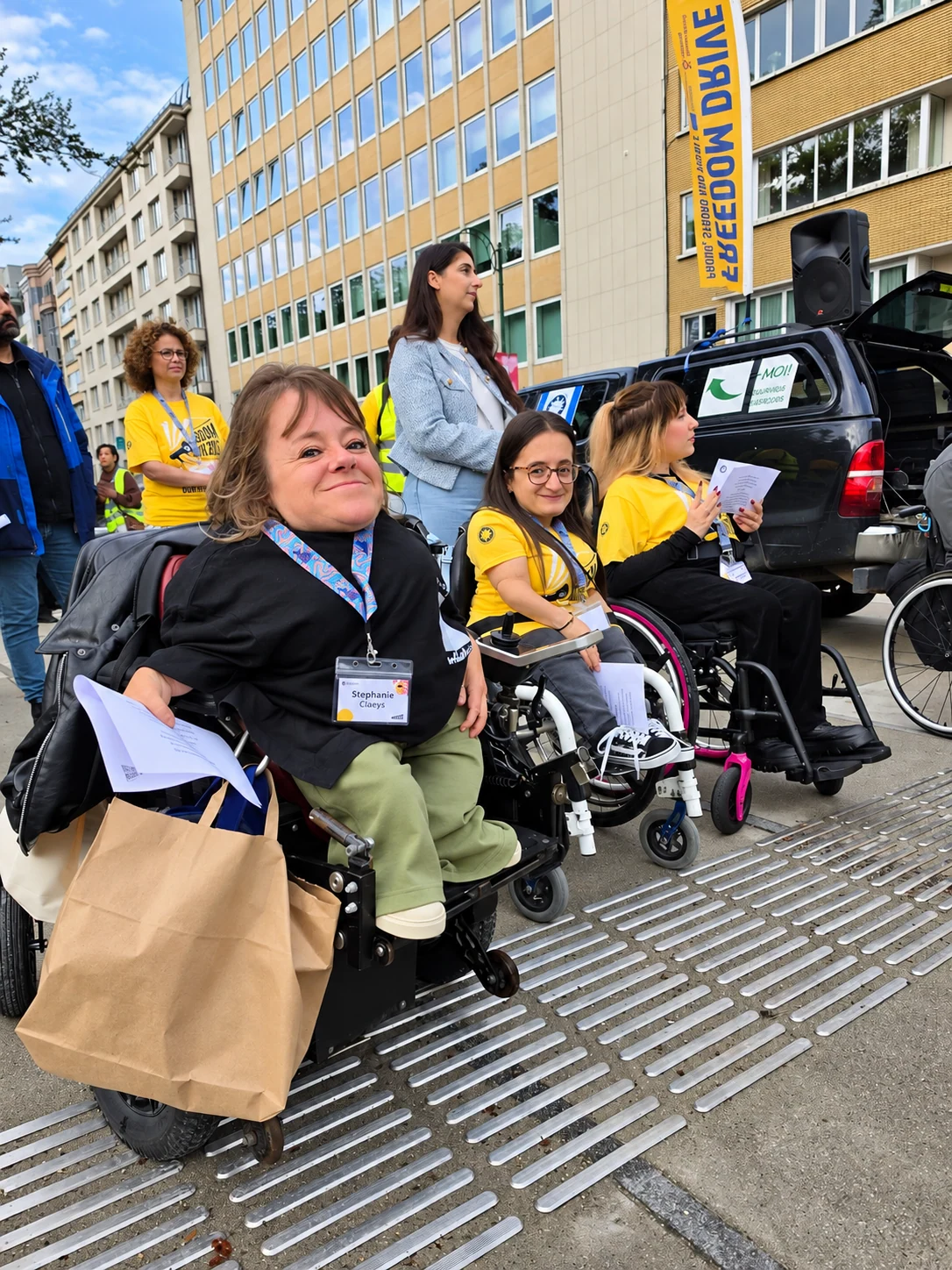
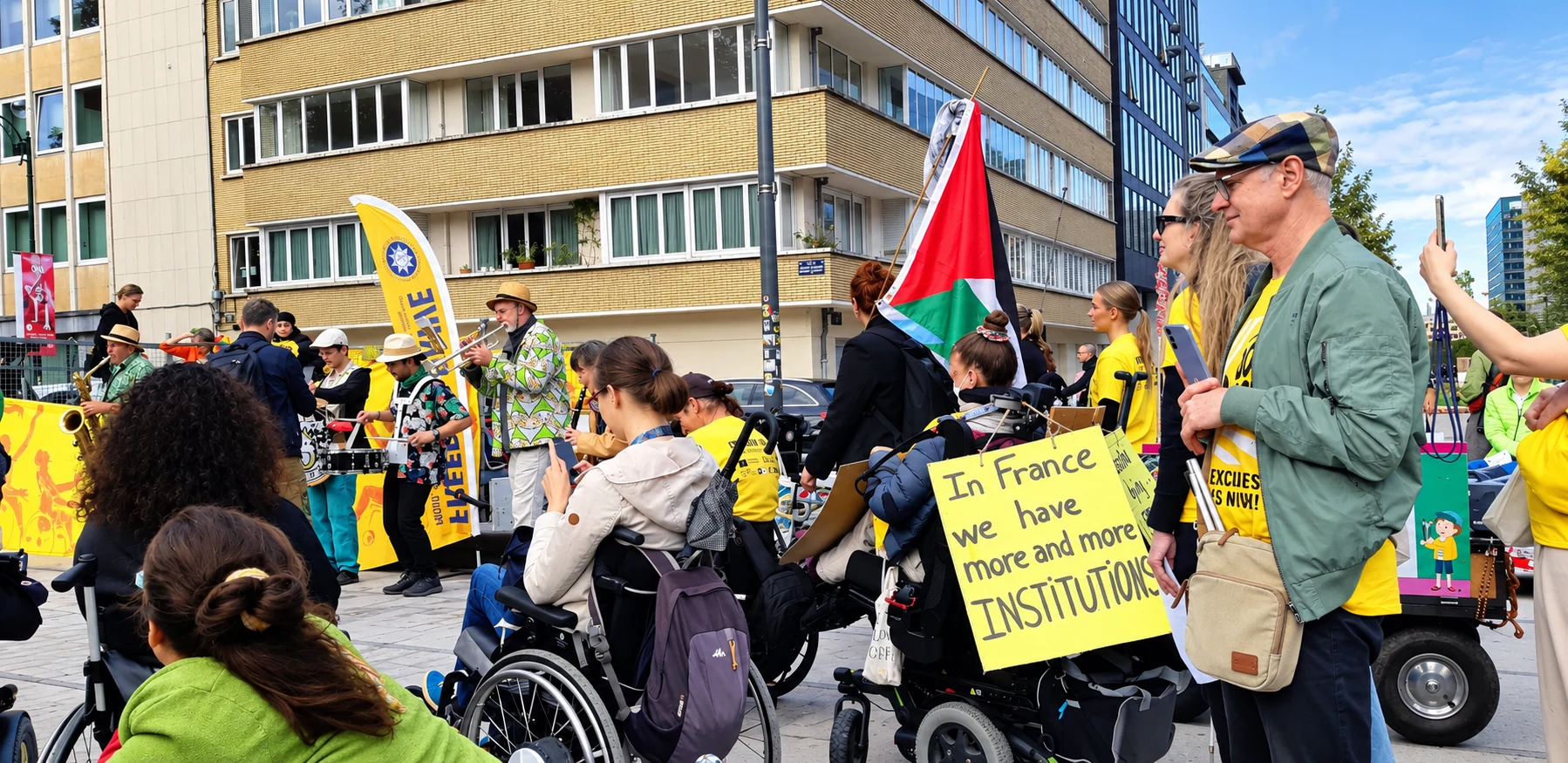
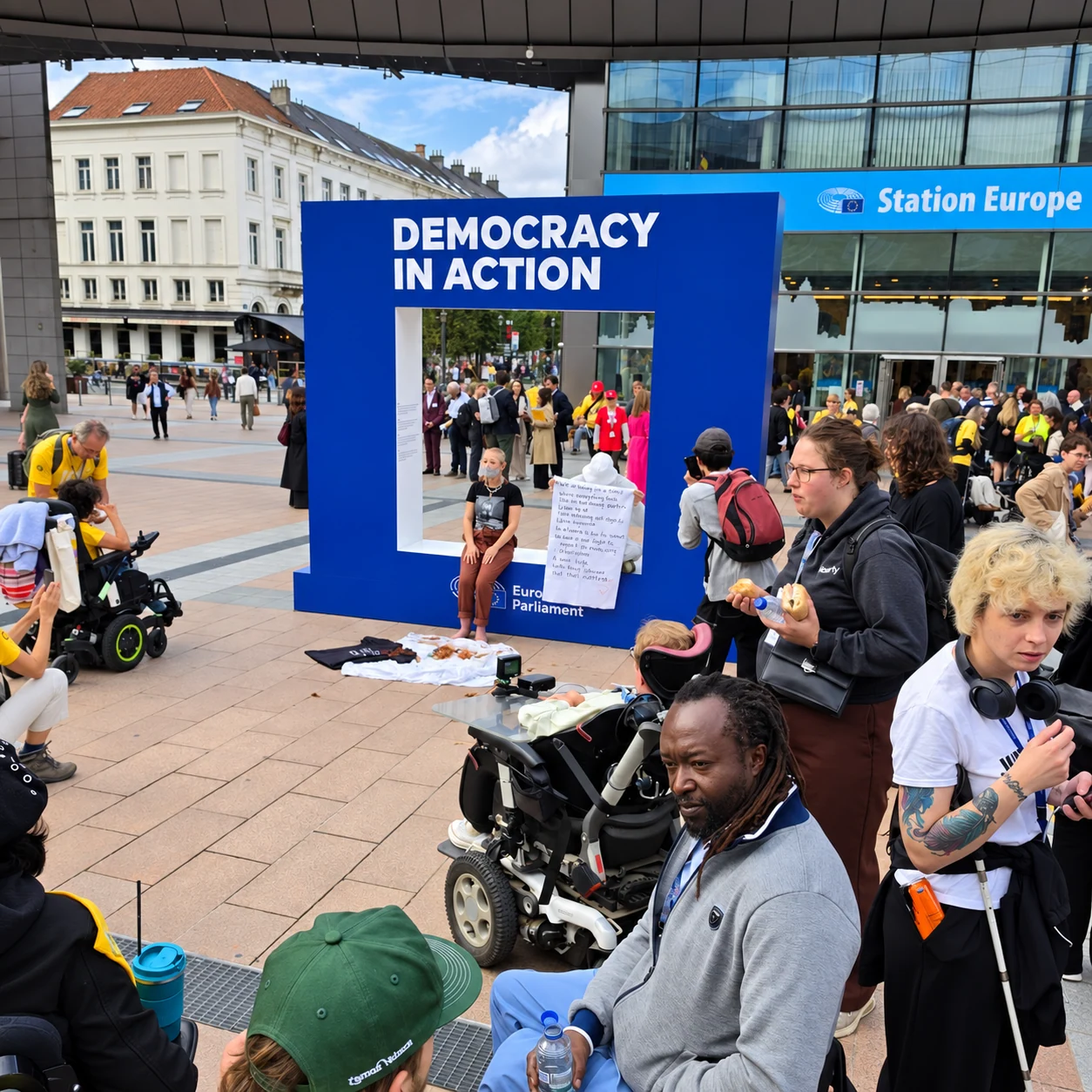
Our lives are not a waiting room
Friends, Freedom Drivers,
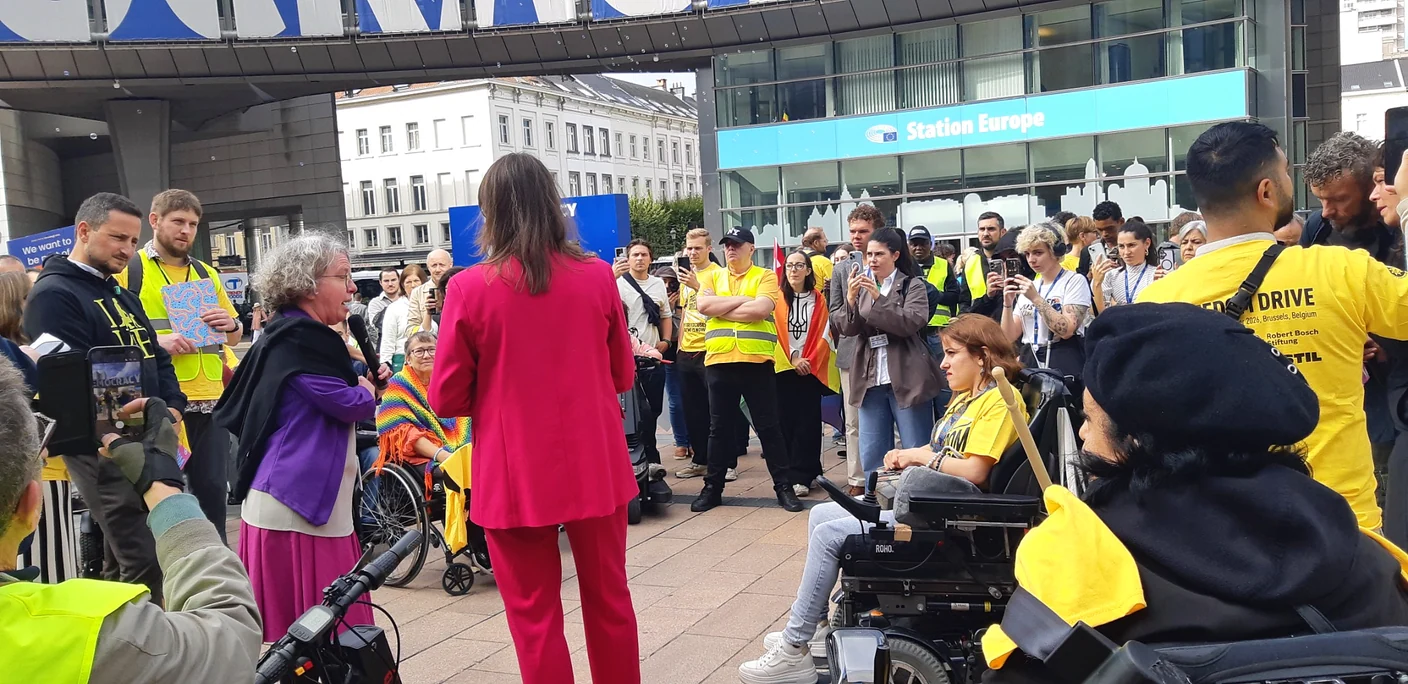
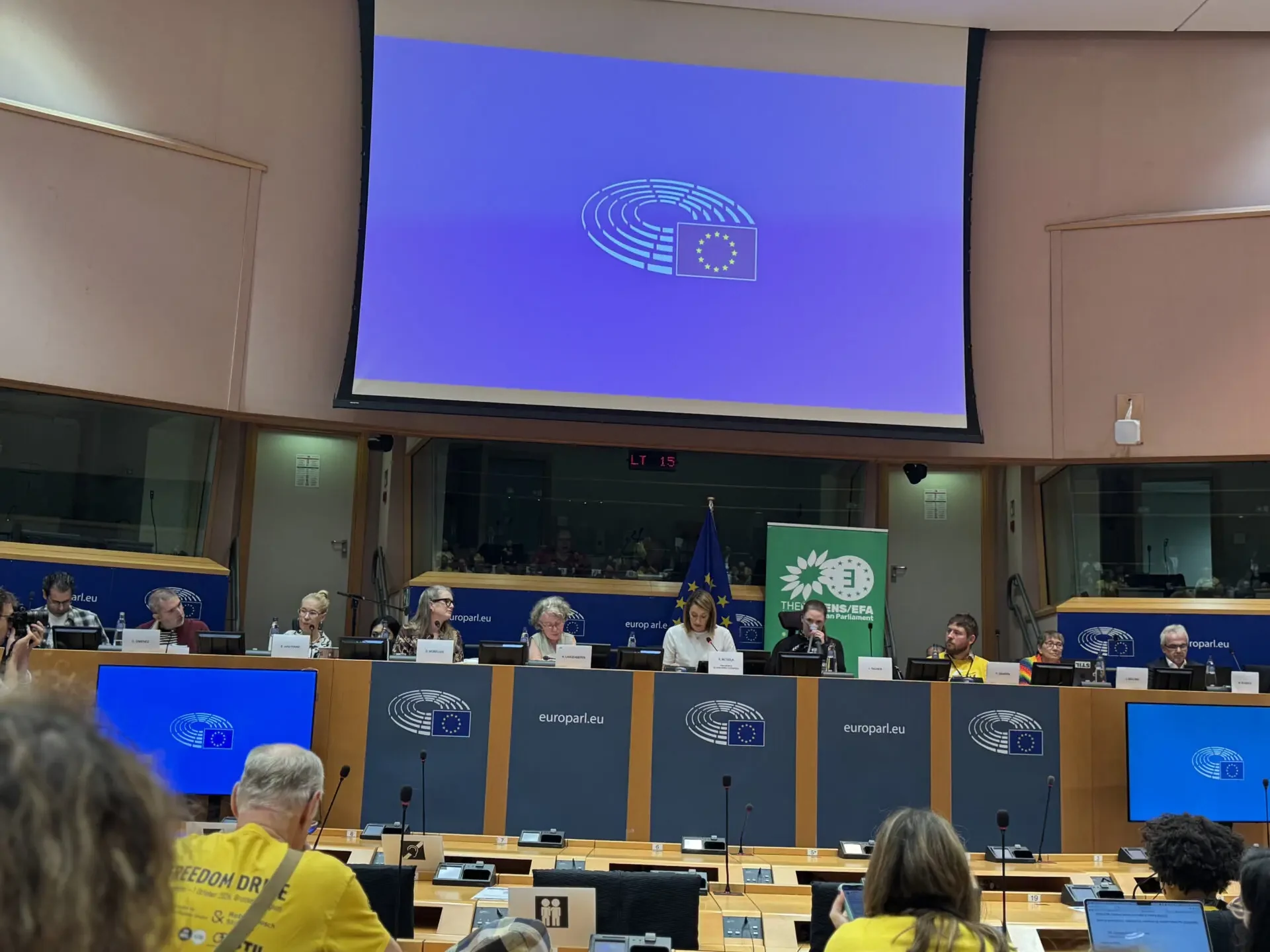
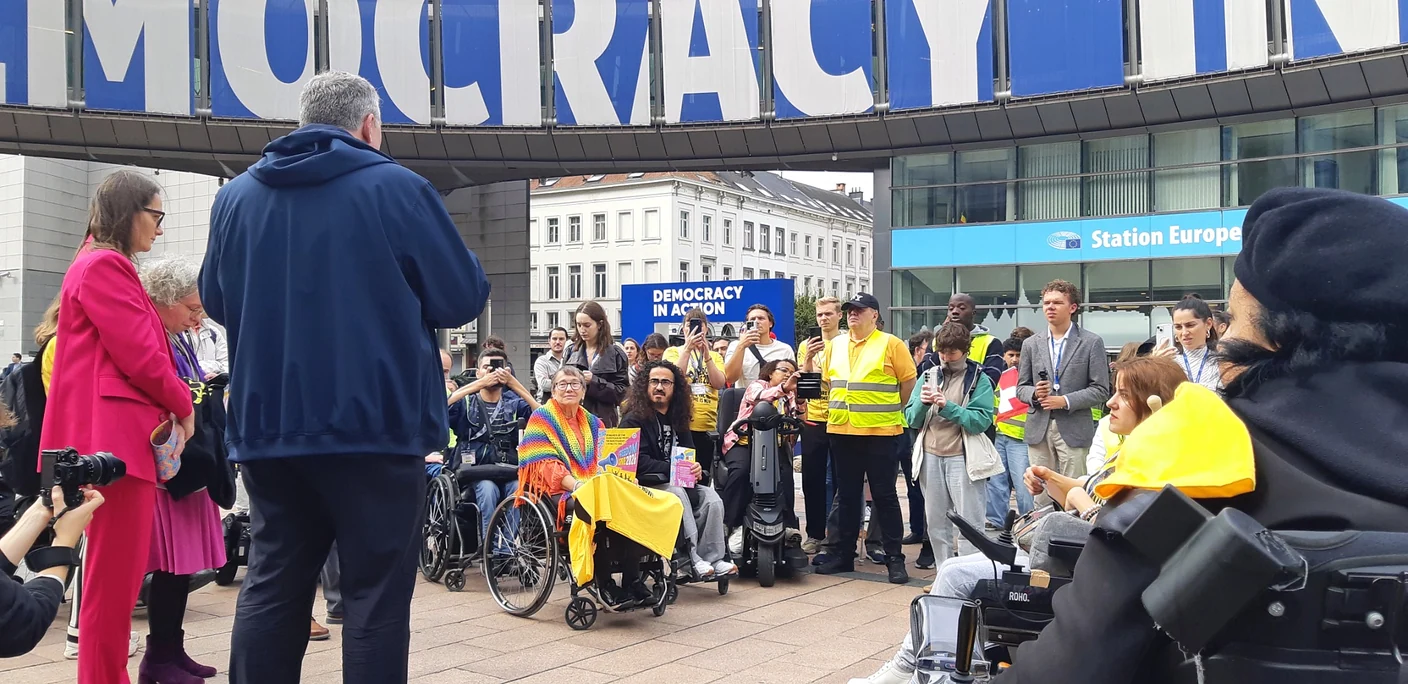
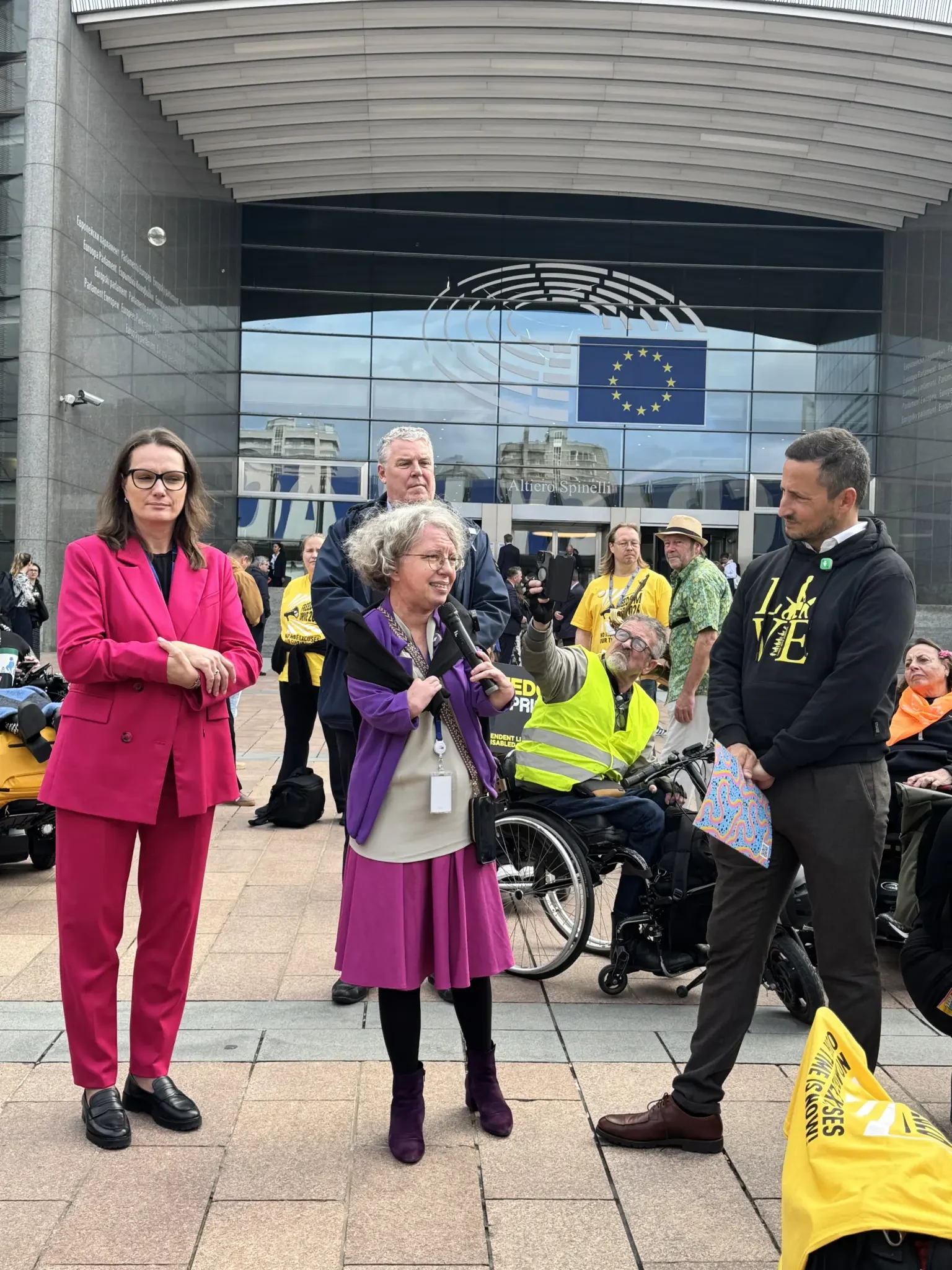
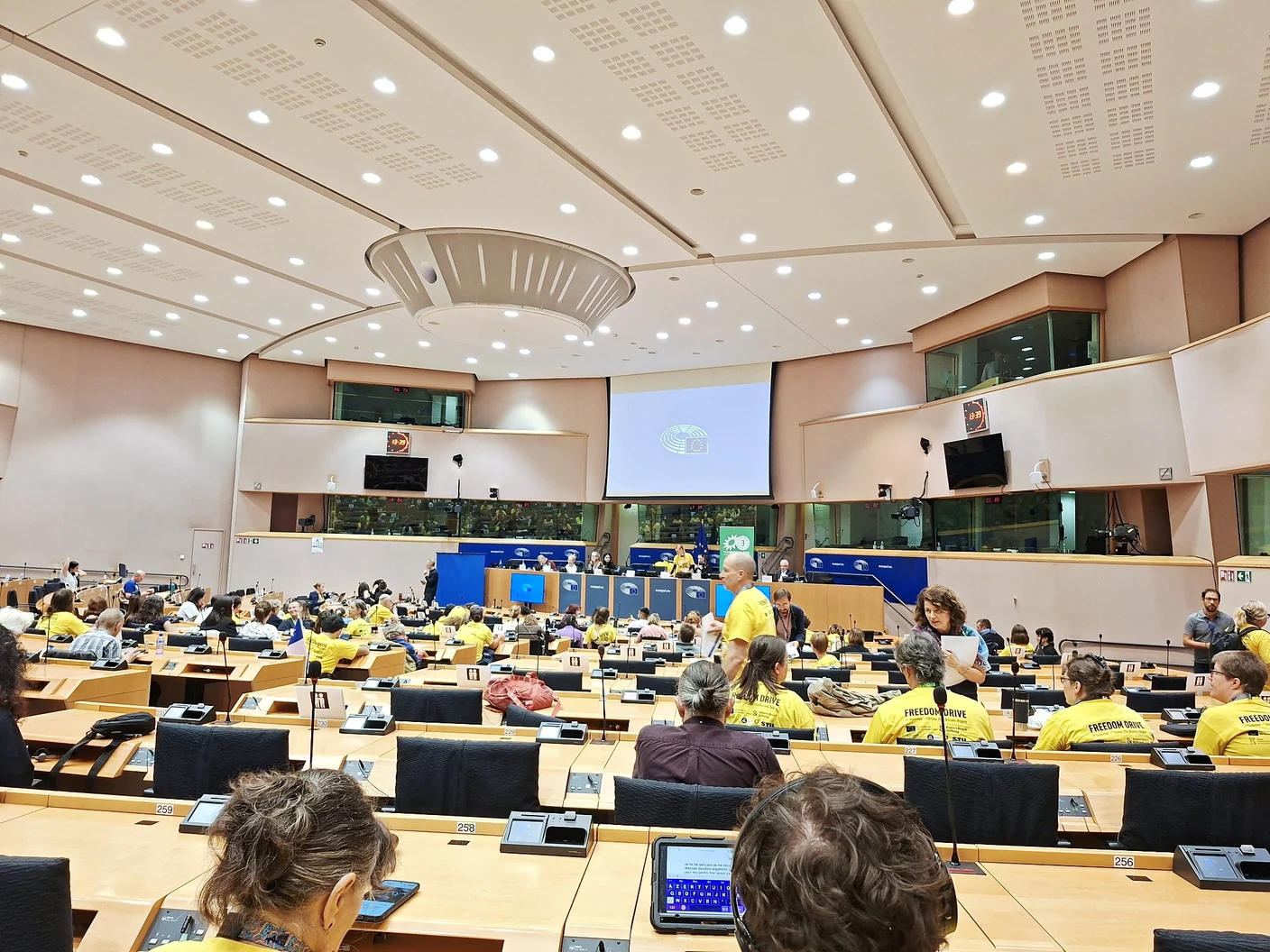
Good morning, and welcome! It is a pleasure to be together again, and I also bring you greetings on behalf of the Board.
This is not my first Freedom Drive. Over the years, this gathering has allowed me to meet extraordinary people who have given me so much. Some, sadly, are no longer with us, but I still carry with me what they passed on.
And yet, each time feels a little like the first. There is the pleasure of reconnecting with people and ideas, of finding renewed energy and making new discoveries. But there is also a touch of bitterness: after so many years, we are still here demanding rights that should long ago have become a reality in our lives.
That does not mean we are giving up. Those involved in these struggles know that we keep going: we continue working to demand respect, equality and rights.
That is why our commitment and our voice are essential. Just as essential is a word that this gathering already carries in its name: “Freedom”.
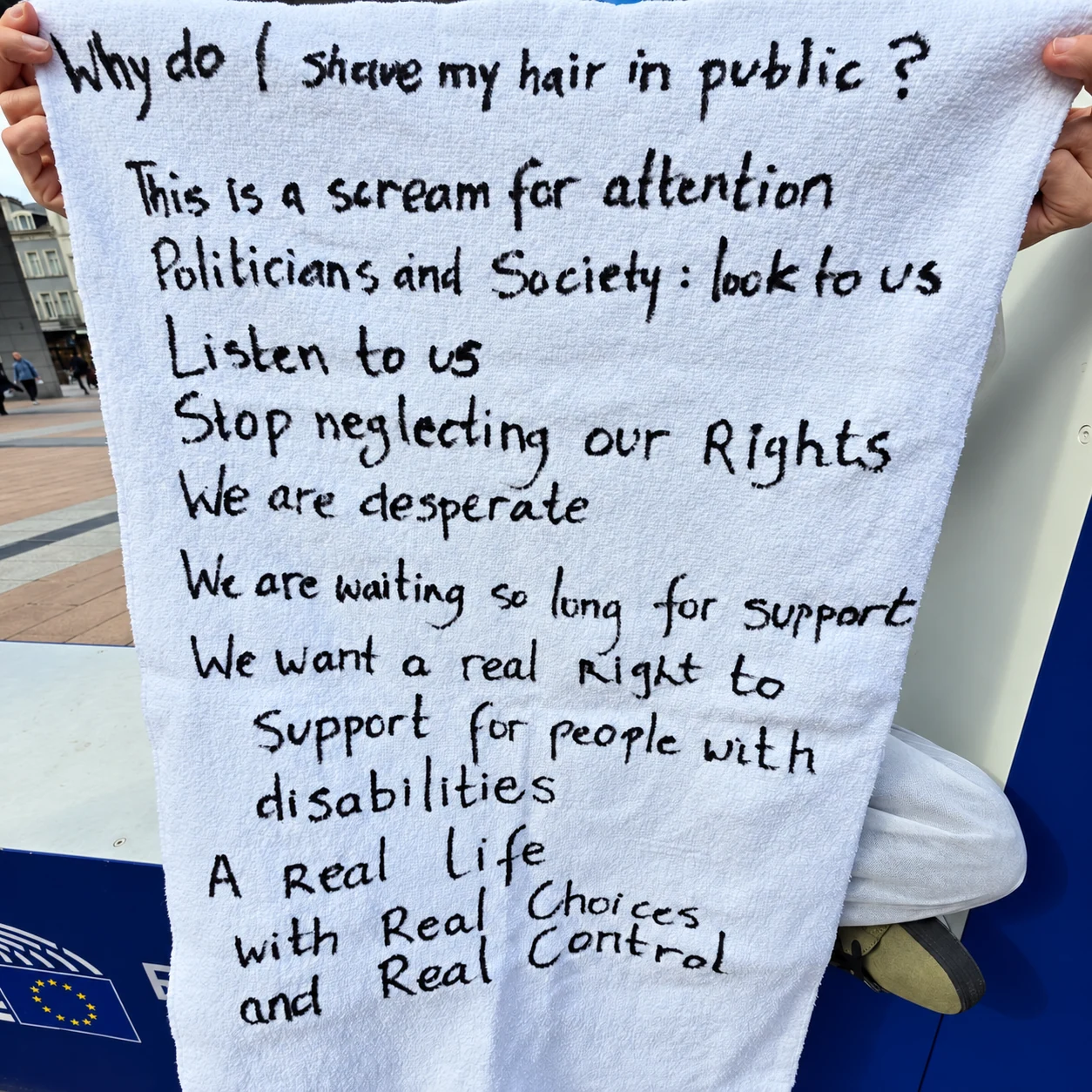
We know how much this word means in our lives. A home of our own, a job, a journey, the chance to be with someone. And we all know how often we have had to give up on these things because the support, the assistance or the practical opportunities simply were not there.
At other times, we have had to postpone them. And we are not just talking about appointments or missed opportunities: we are talking about rights, relationships, life itself. About things we wanted to experience at a time in our lives that no one can give back to us.
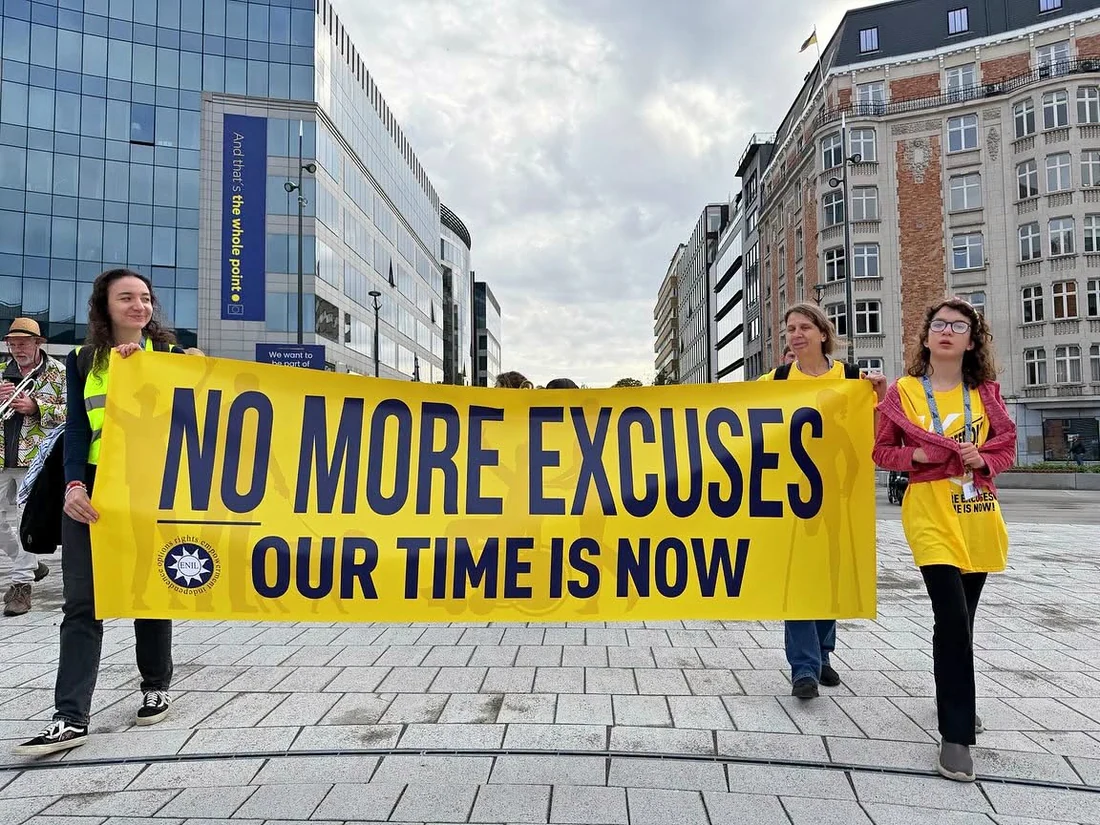
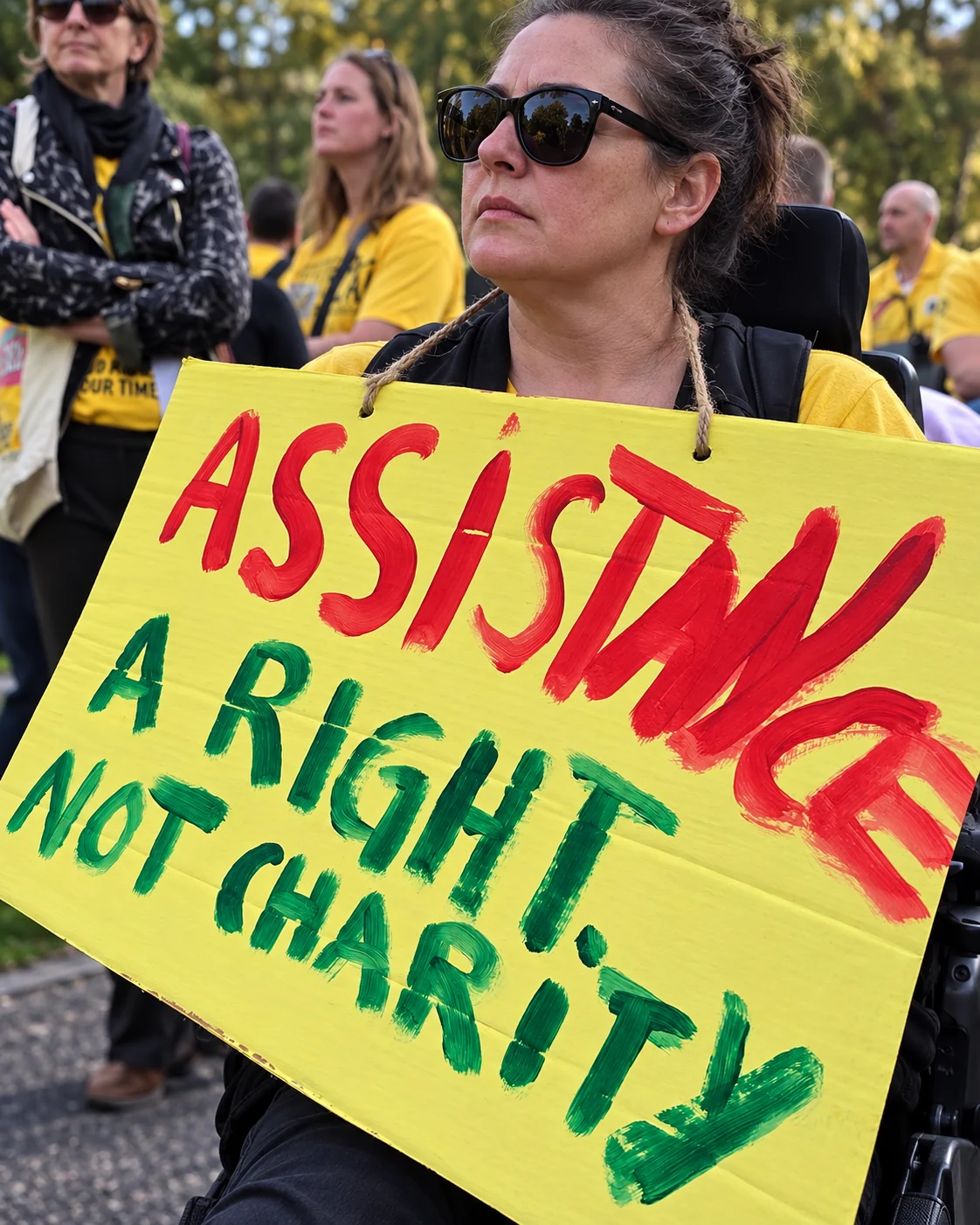
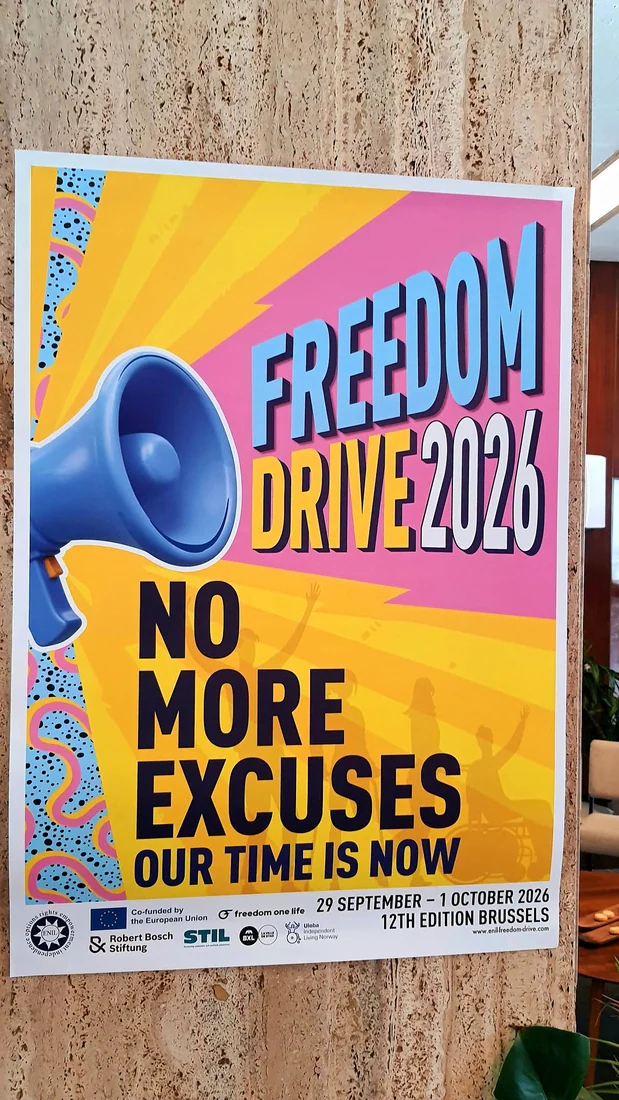
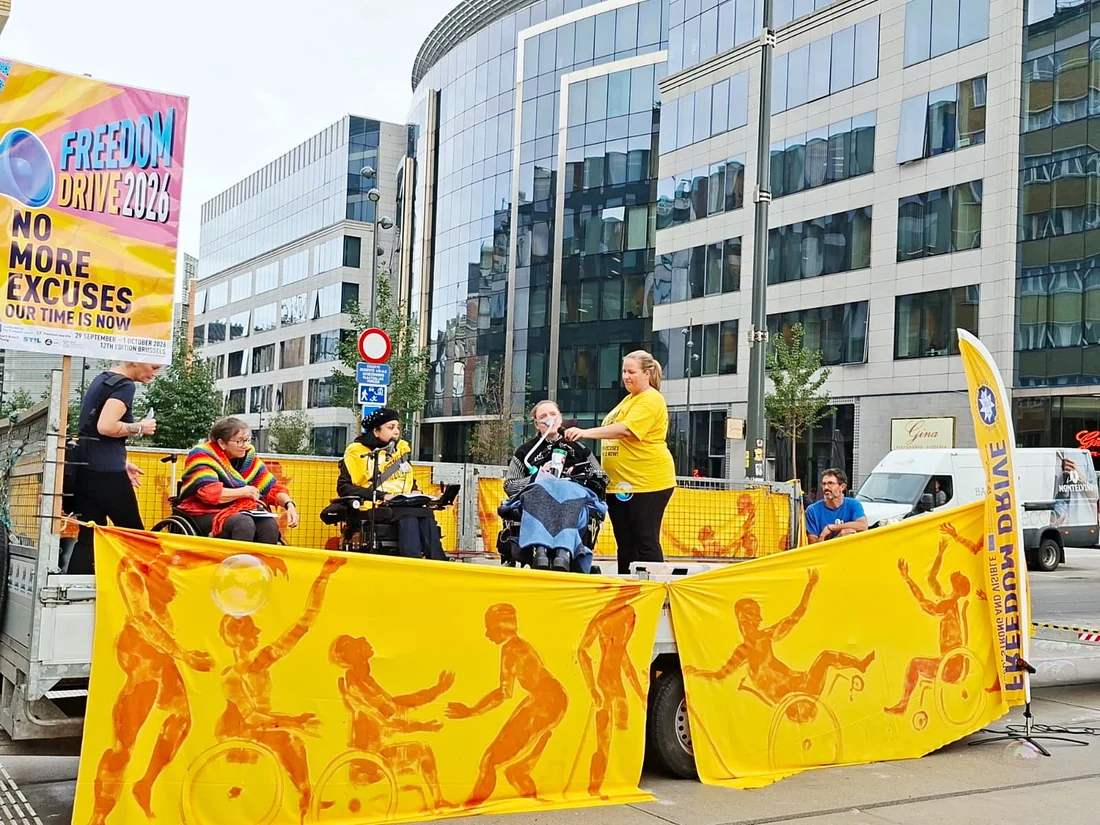
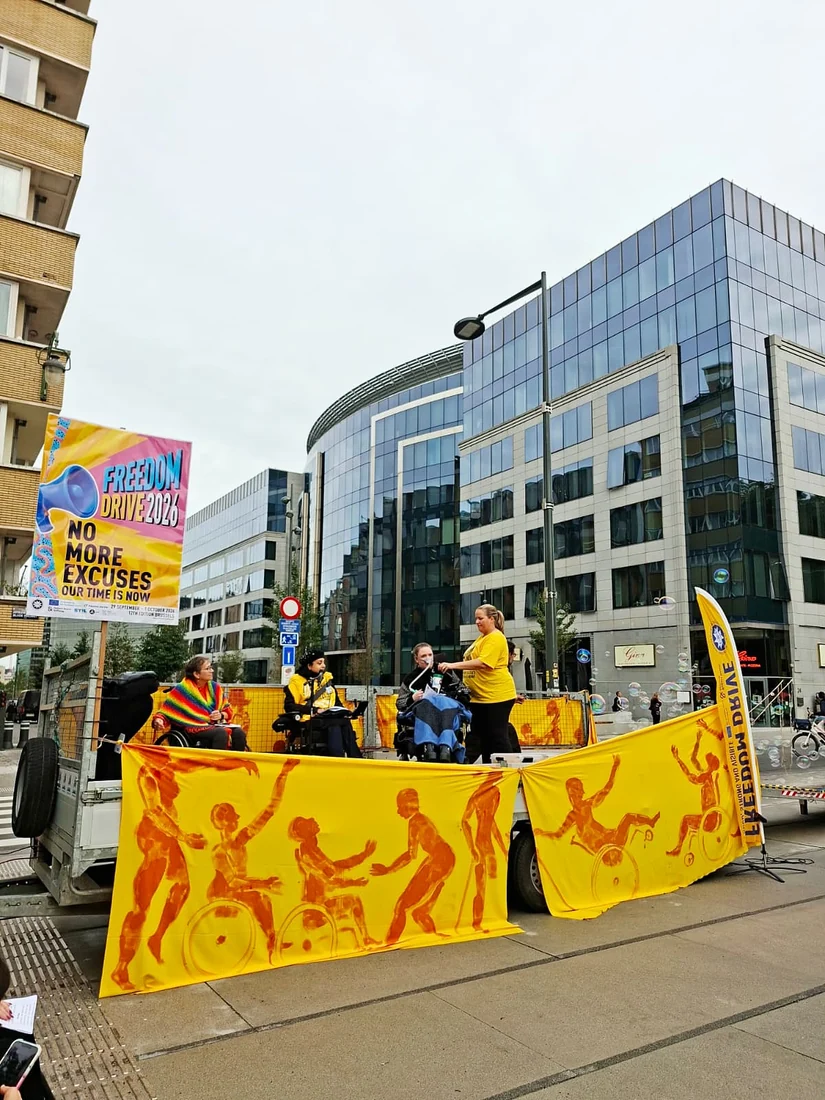
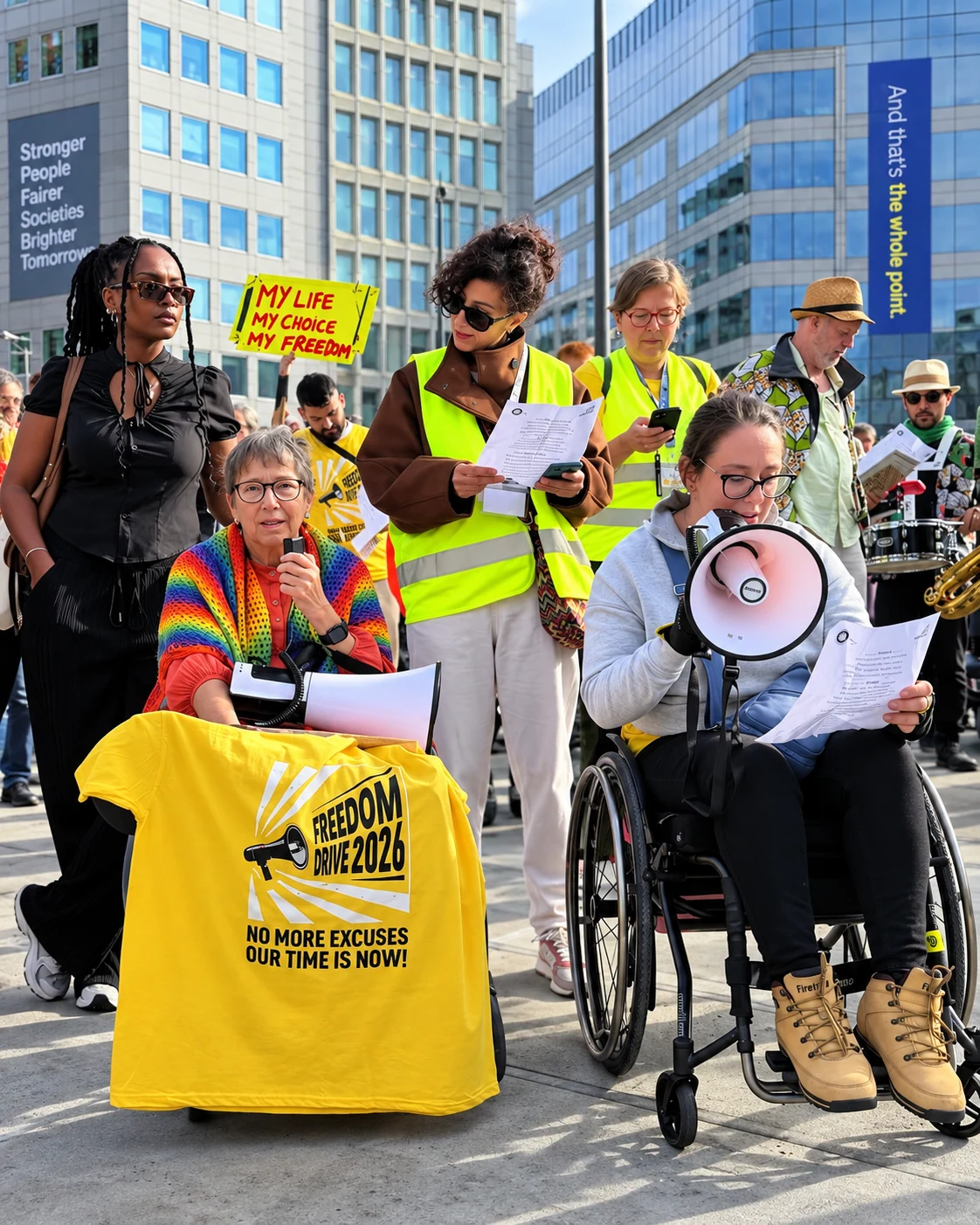
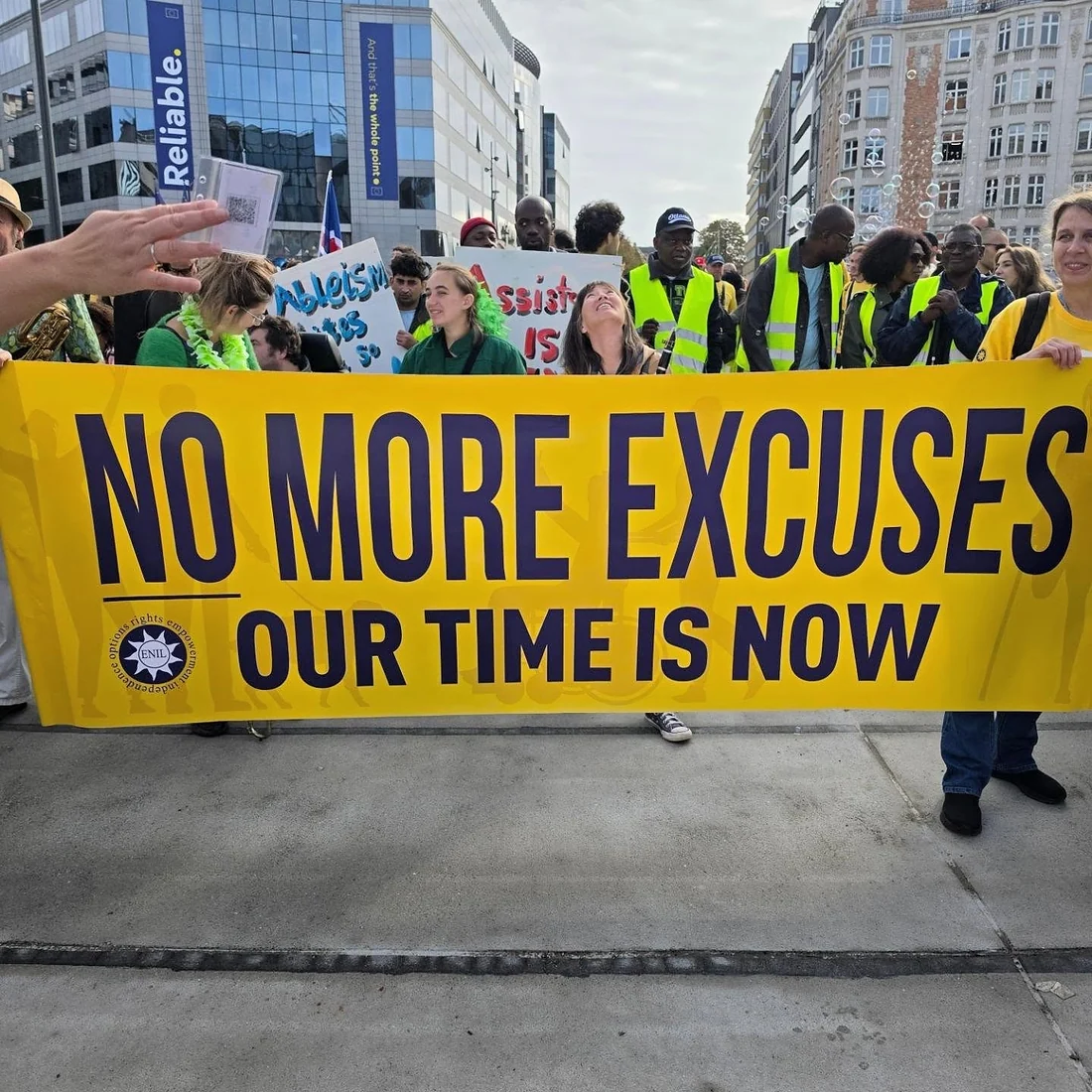
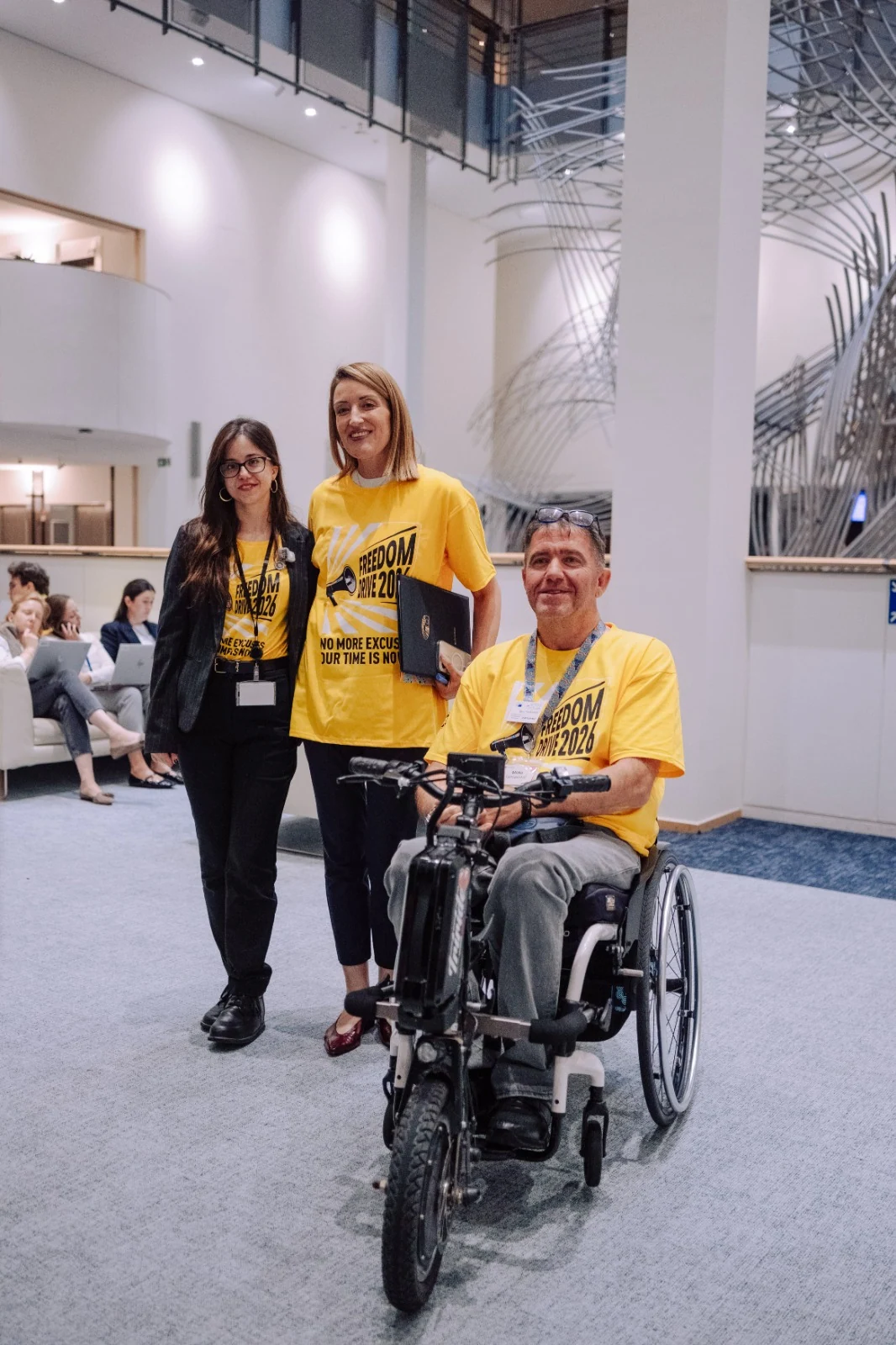
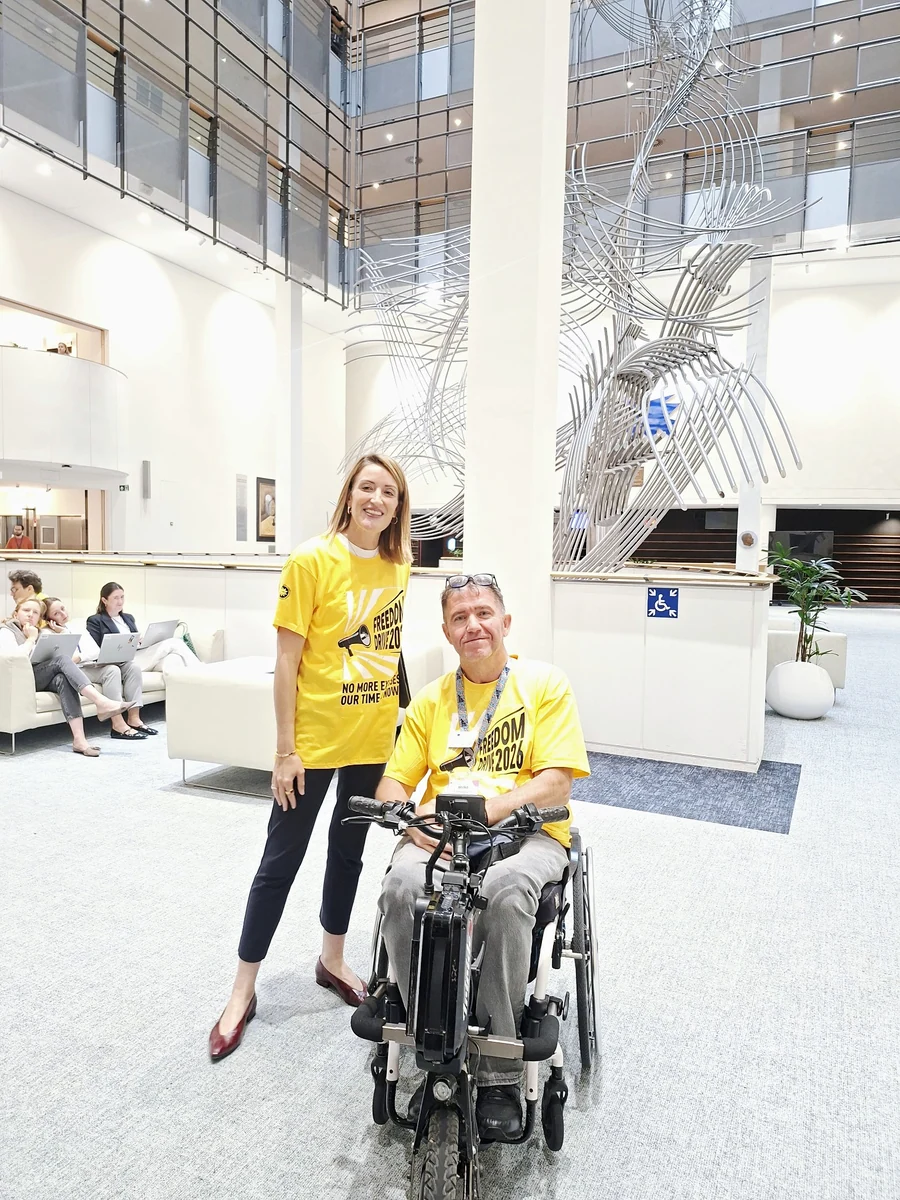
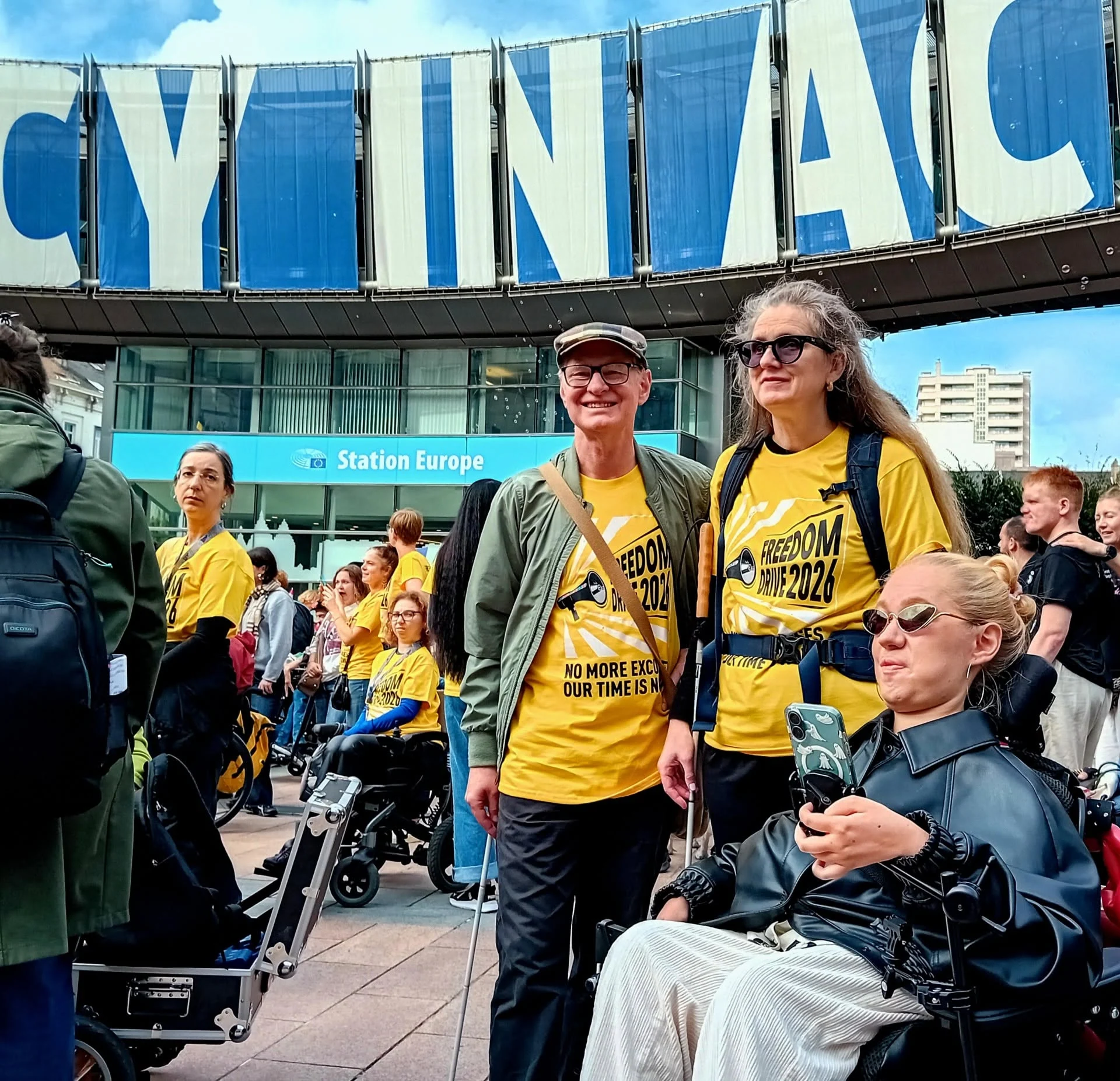
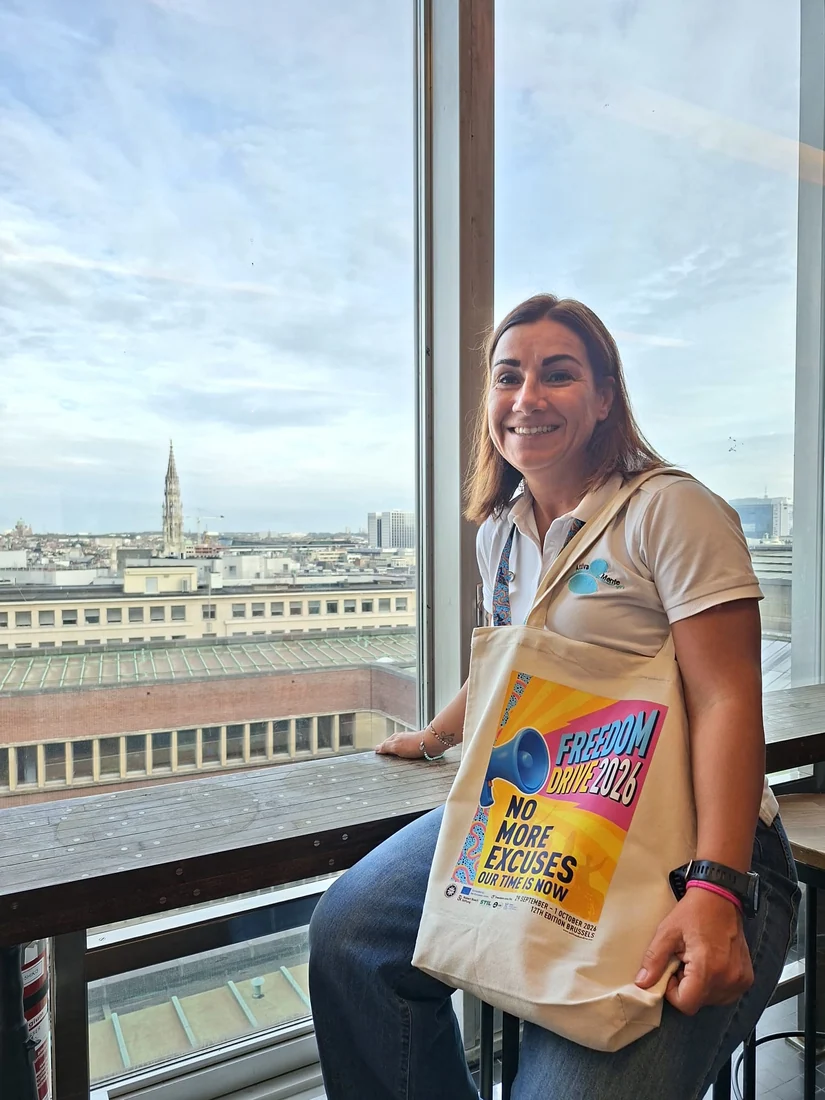
Our lives belong to us. That, too, is what “No more excuses — Our time is now!” means.
This year marks twenty years since the adoption of the UN Convention on the Rights of Persons with Disabilities. For an institution, that may be a period in history. For a person, it may be their entire youth.
Yet when decisions affecting us are repeatedly postponed, it is as though our lives were a “waiting room”. As though, especially where decisions are made, people had become accustomed to the idea that our lives can always wait.
Saying “Our time is now!” means that this time belongs to us, at our own pace: the time we need to communicate, understand, decide and rest. But also to love, change our minds and make mistakes, just like everyone else.
We want the days we live to feel like our own: choosing who we live with, who supports us, how we spend an afternoon. Being able to say, “This is what I want”, but also, “This is not what I want”.
We do not all have to want the same life. We must be able to choose our own.
Freedom is a simple word, yet it runs through every part of our lives. It concerns major decisions and small gestures, shapes our possibilities and gives meaning to our choices.
Needing help does not diminish the value of freedom.
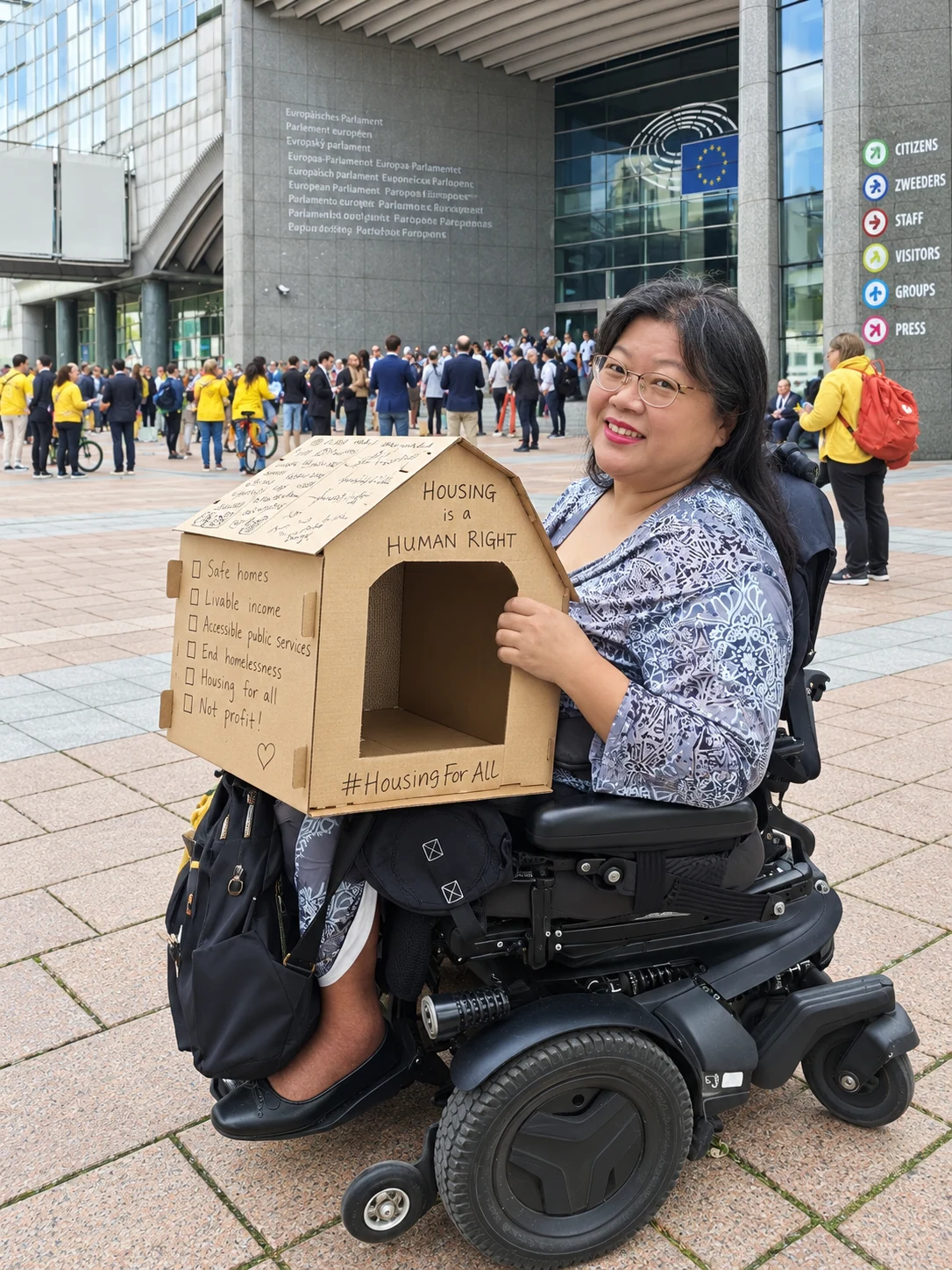
This freedom in everyday life is what ENIL’s demands for this Freedom Drive are about: decent and inclusive employment, accessible and affordable housing, the right to make decisions about our own lives with the support we need, and rights and equal opportunities for disabled women.
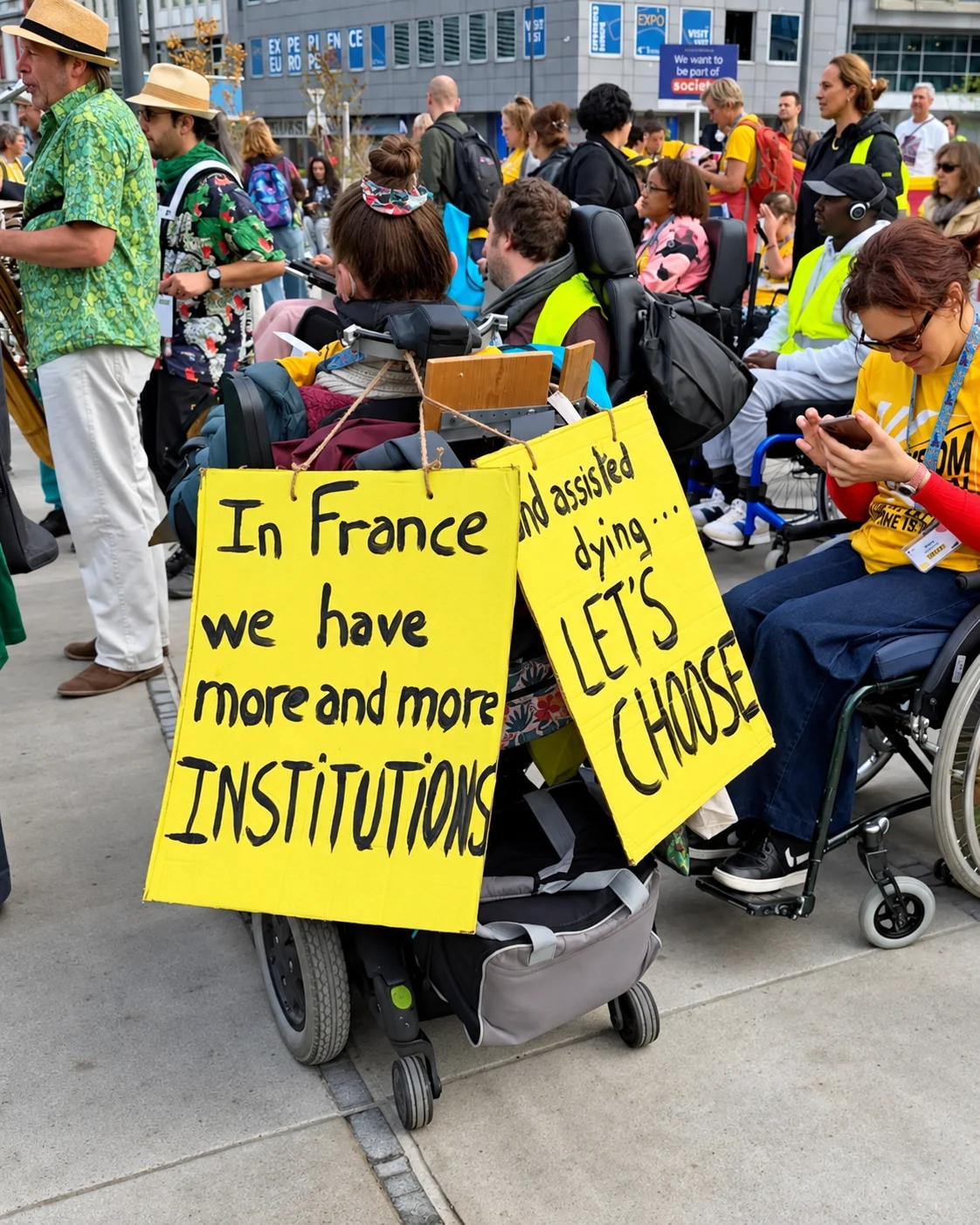
We are calling for an end to funding segregation, and for investment in support for living in the community, starting with personal assistance. Because choosing where to live, with whom, and how to organise our days requires real opportunities.
In ENIL, the European Network on Independent Living, each person’s freedom meets the strength of a movement.
And that strength needs independence.
An independence we must also protect against a risk that affects all organisations and movements, including ours: becoming so accustomed to our relationship with institutions that we start limiting what we are willing to ask for, to say and to challenge.
It can happen gradually: we hold back a criticism, soften a demand, decide against a protest to avoid damaging a relationship or losing support. Until preserving that relationship risks becoming more important than the reasons we sought it in the first place.
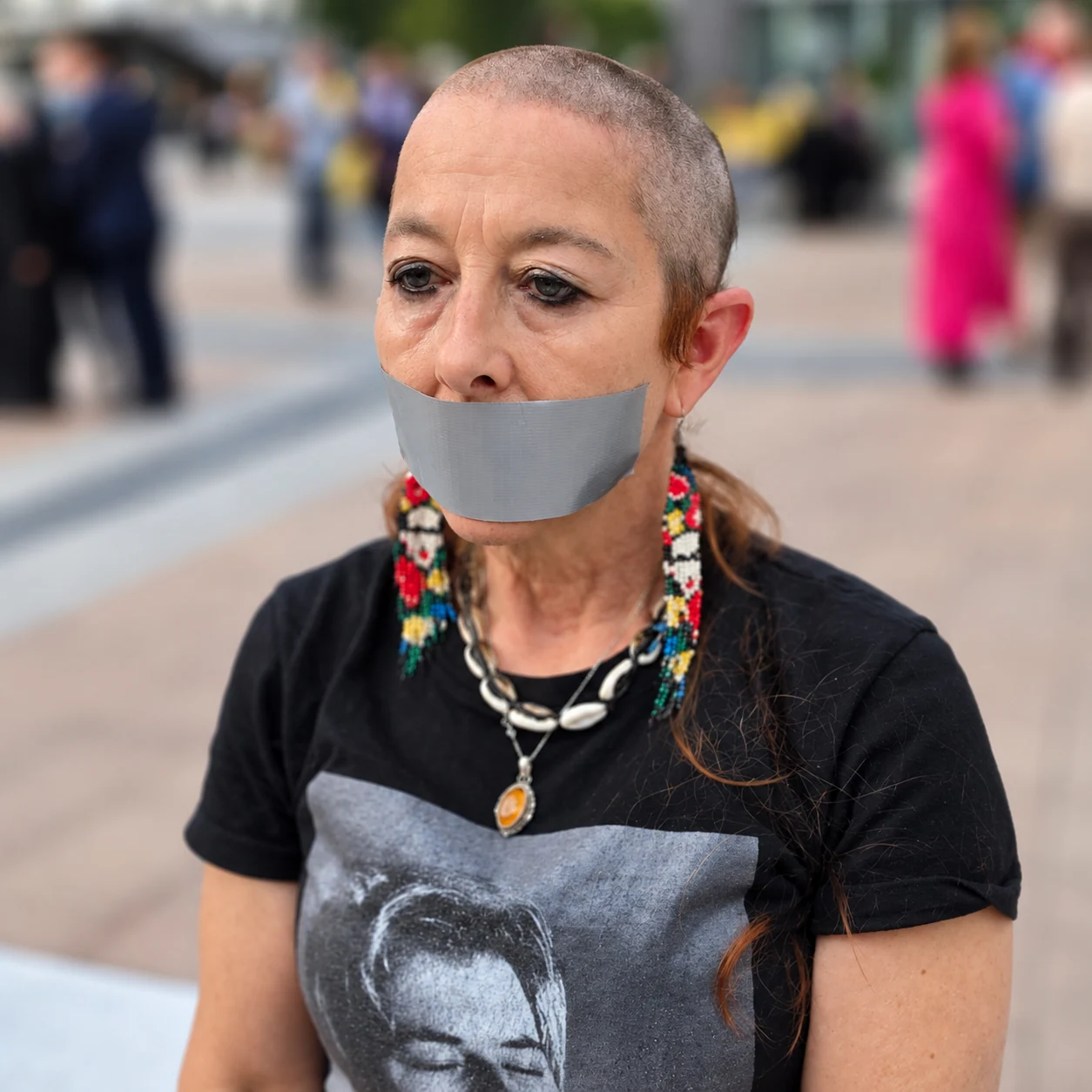
This is how a movement can weaken itself, even without anyone openly telling it to be silent.
Developing projects, managing resources and delivering services takes commitment, balance and expertise. We must do this while remaining free to challenge even the institutions we work with or receive funding from.
Our responsibility is to the people and the rights we came together to stand for. Even when this makes our relationship with those in power less comfortable.
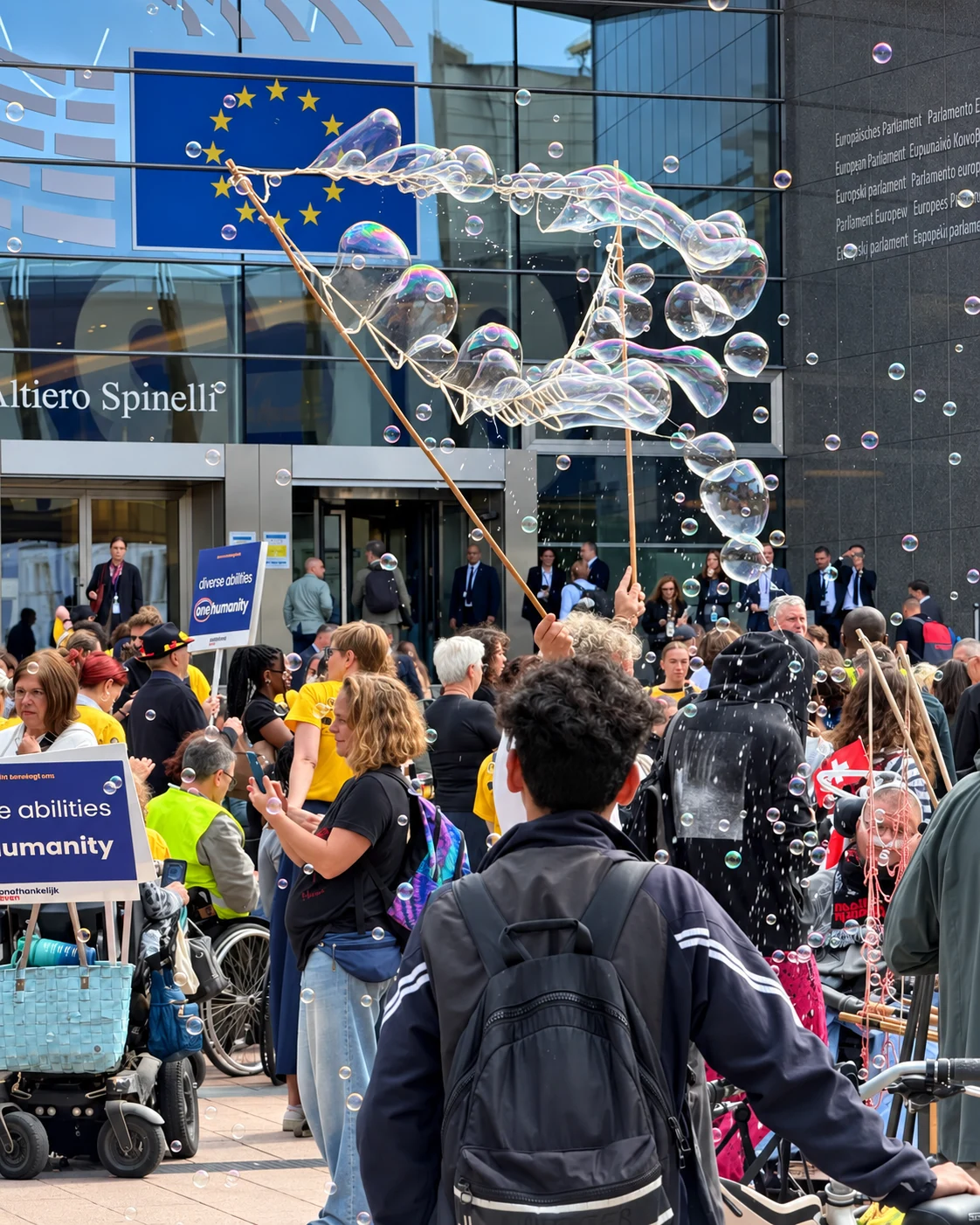
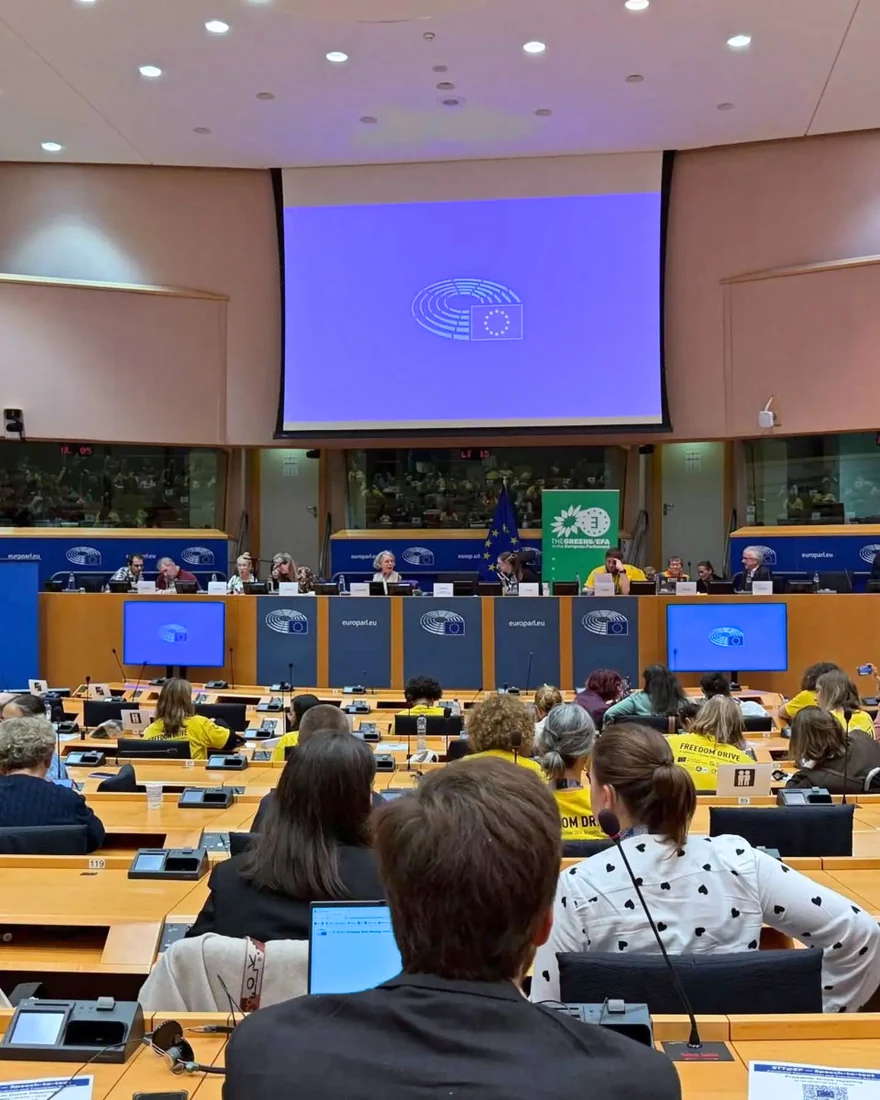
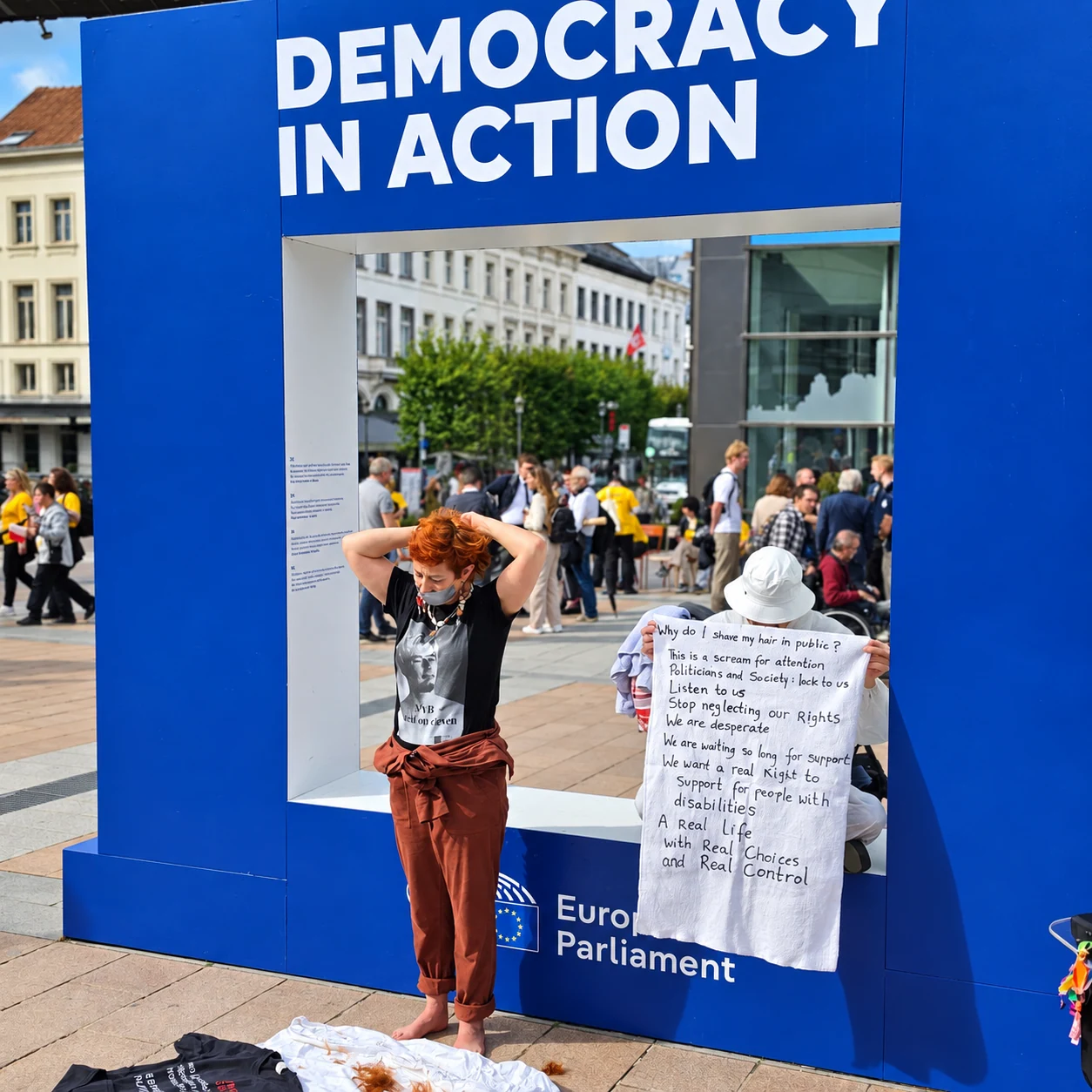
That is why I place such importance on ENIL’s ability to bring together dialogue, proposals and protest. The Freedom Drive is a clear example: we meet with institutions and put forward proposals, but we also take to the streets to challenge their decisions, their failures to act and their delays.
We bring a voice of our own, capable of acknowledging progress and expressing disagreement, without letting the fear of displeasing others or facing retaliation determine what we can say.
Being visible and being able to make a difference are not the same thing. Being received and heard matters, but we must be able to ask what actually changes in people’s lives.
An invitation does not oblige us to agree, just as disagreement does not prevent us from showing respect.
It is in this freedom, and in the fact that ENIL is a network led by disabled people, founded on self-representation, democracy, solidarity and self-determination, that I recognise its political soul. And that is another reason why I am proud to be part of it.
Then there are the people who bring ENIL to life. I am thinking particularly of young people: knowledgeable, determined and eager to get things done. Of the energy they bring, and how much we can learn from one another.
By sharing our experiences, we can recognise a common difficulty or discover a possibility we did not know existed. A personal story can lead to a question, an insight or a proposal that matters to many of us.
Preserving ENIL’s spirit also means giving those who join us the opportunity to ask new questions. To help change the movement, rather than simply join it.
And it means being willing to receive criticism, question ourselves and change our minds.
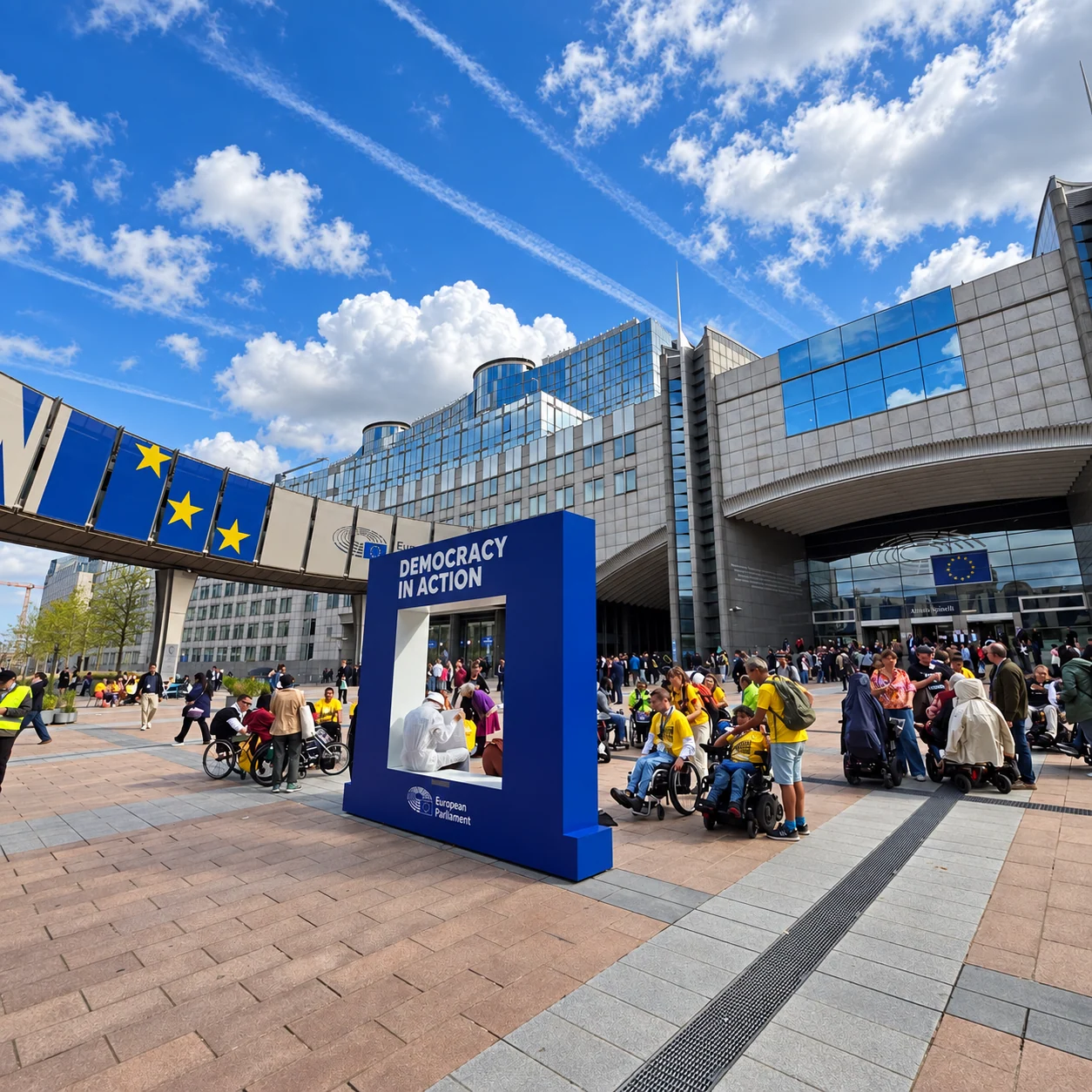
For me, democratic protest is one of the most beautiful ways in which our voice can find expression. Especially at a time when political winds threaten to place increasing pressure on freedom, independence and tolerance.
That is another reason why we can and should be proud of our determination, our courage and our willingness to demonstrate.
We can do so firmly and respectfully, without seeing dissent as something to be ashamed of.
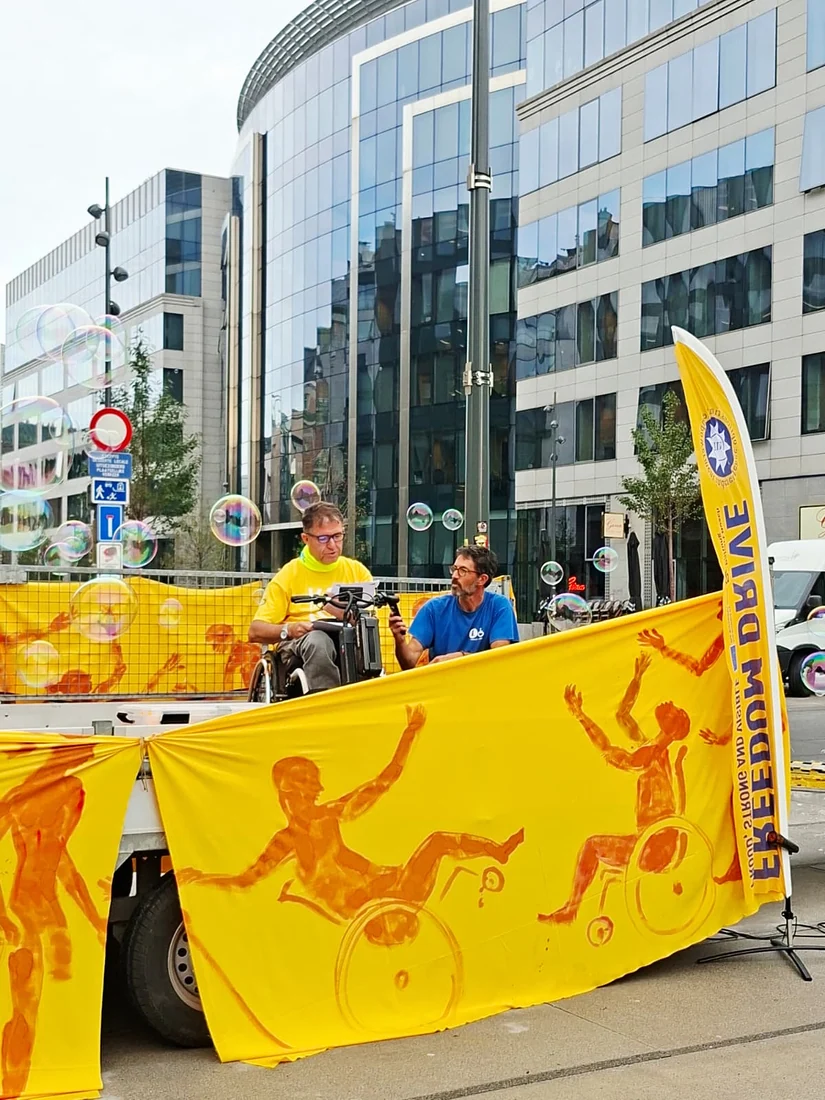
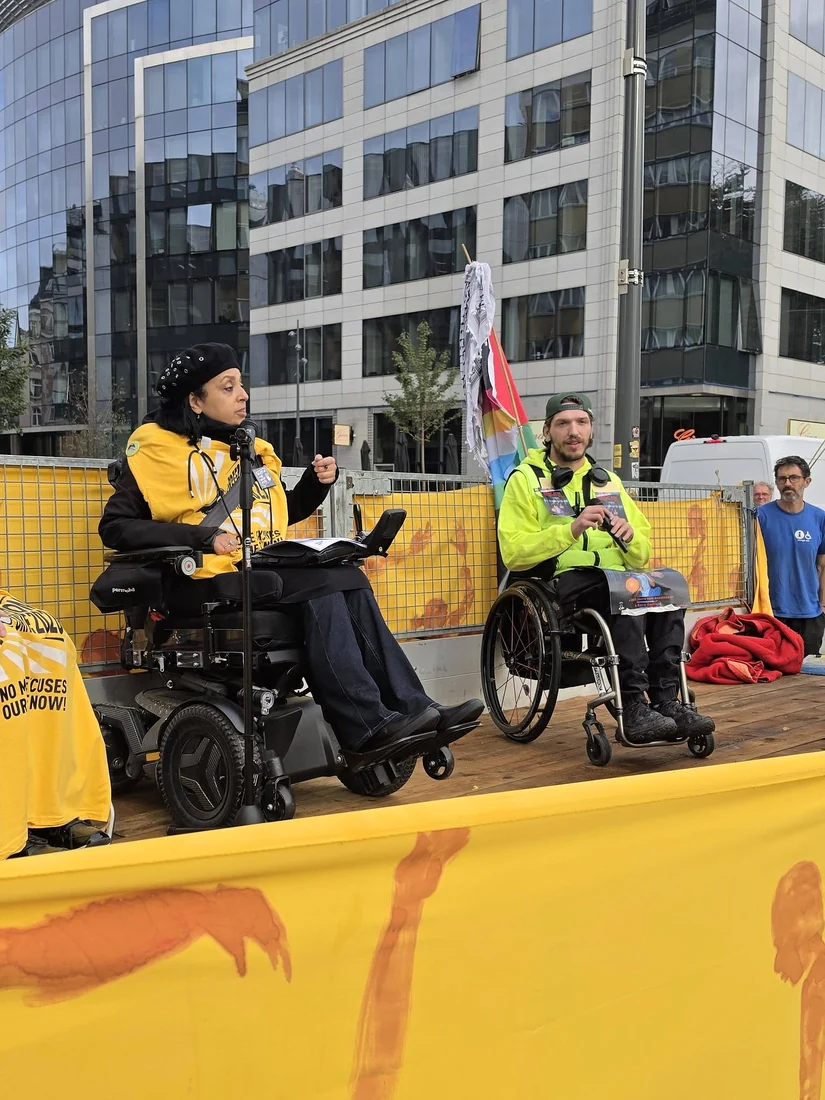
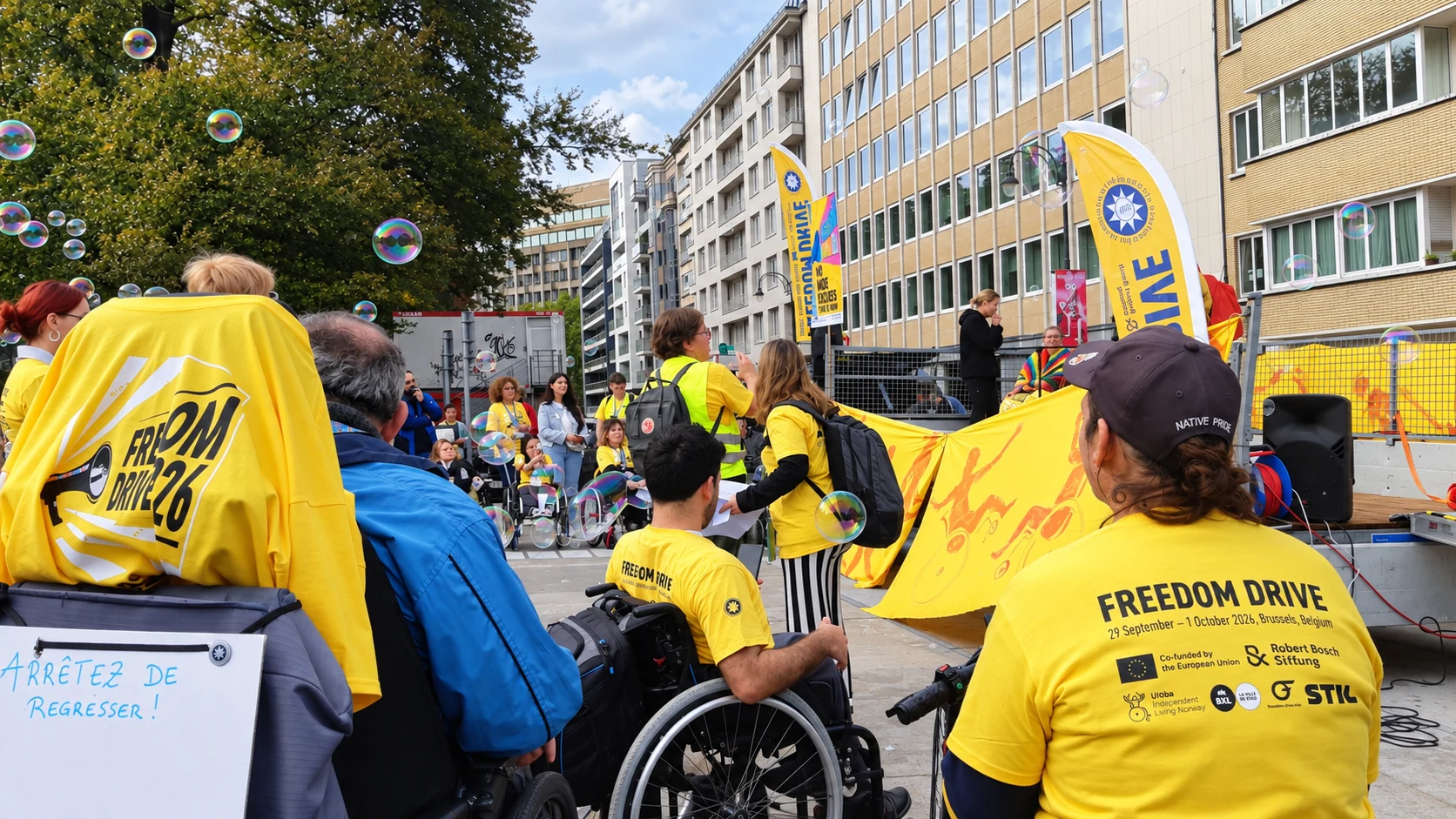
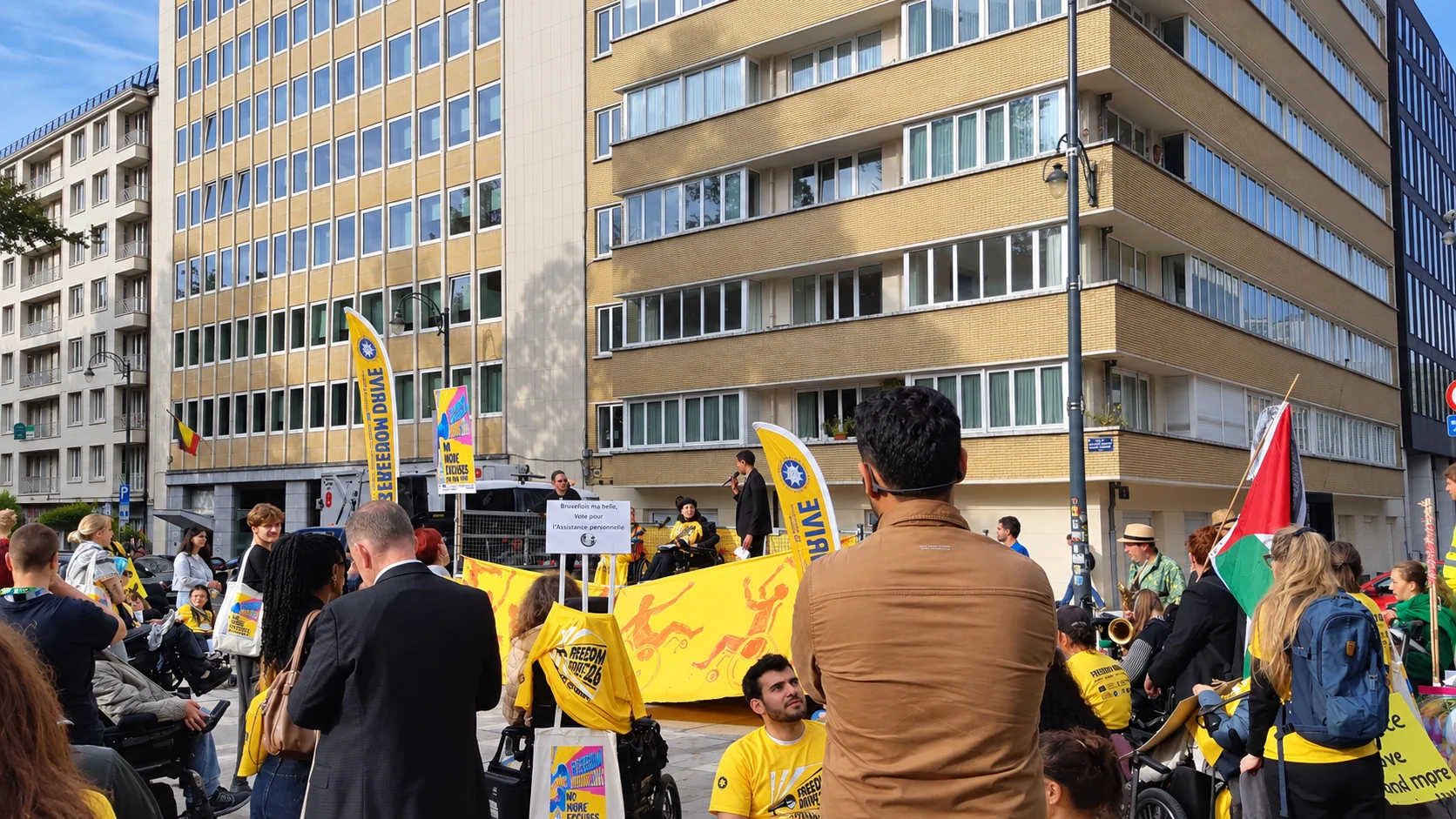
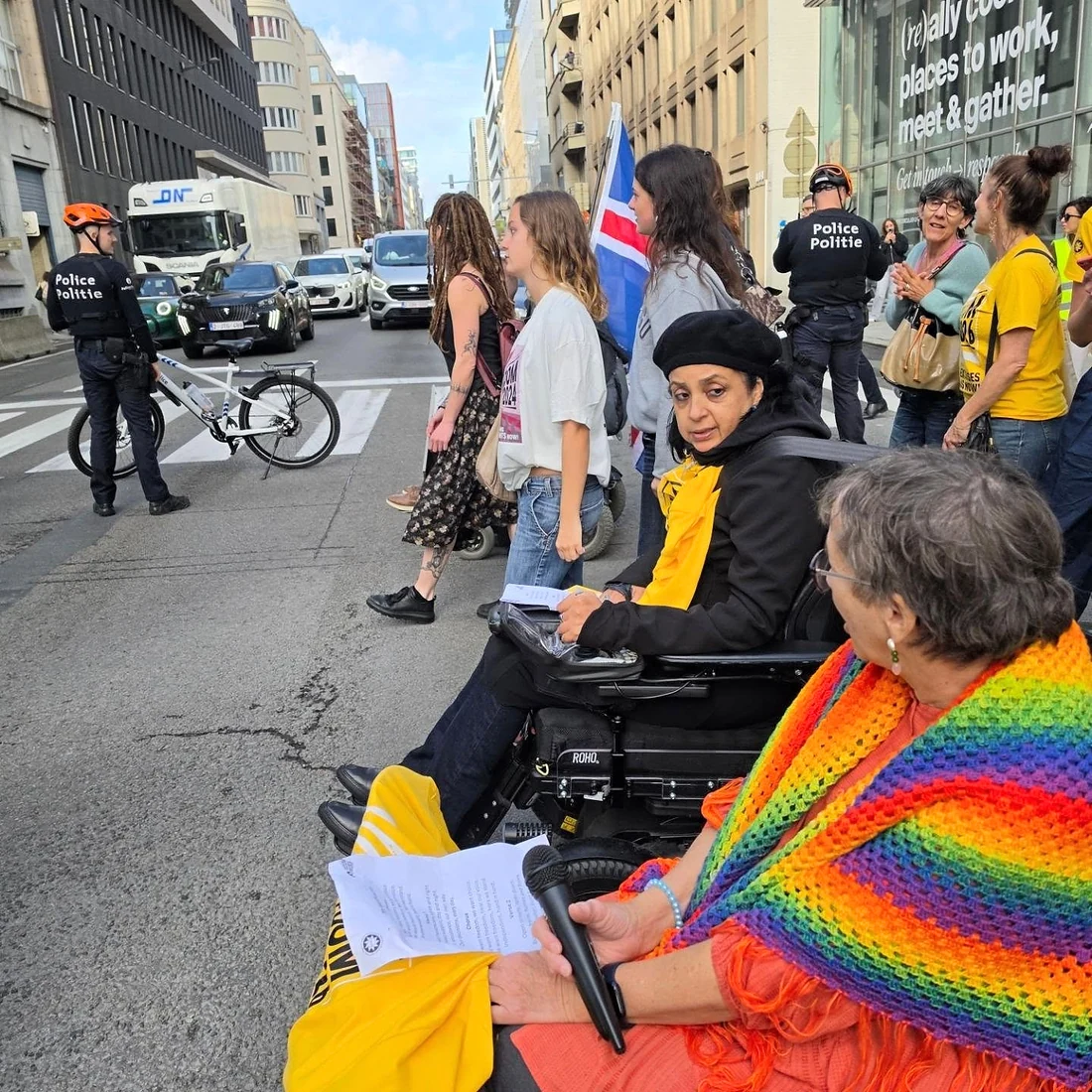
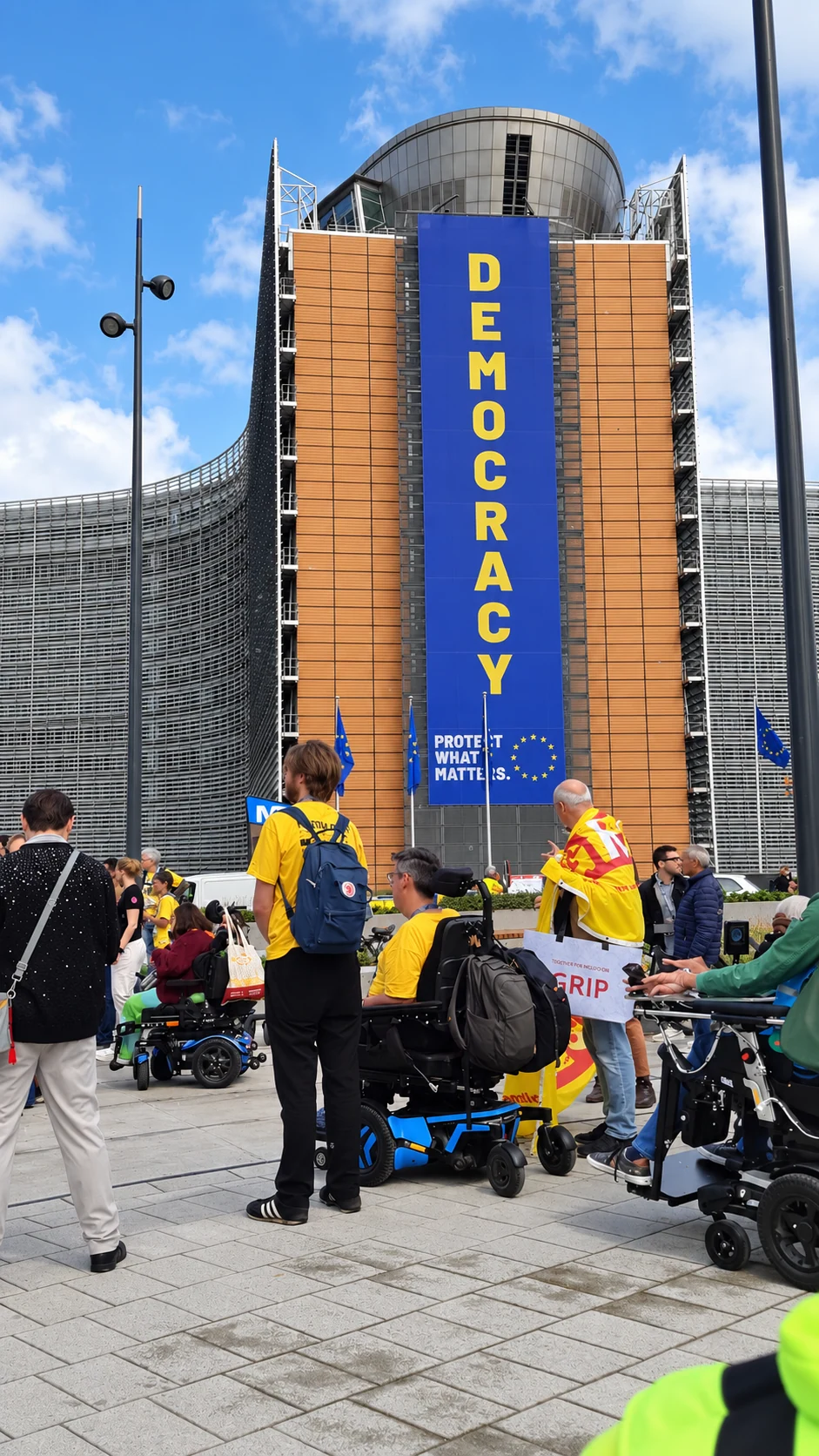
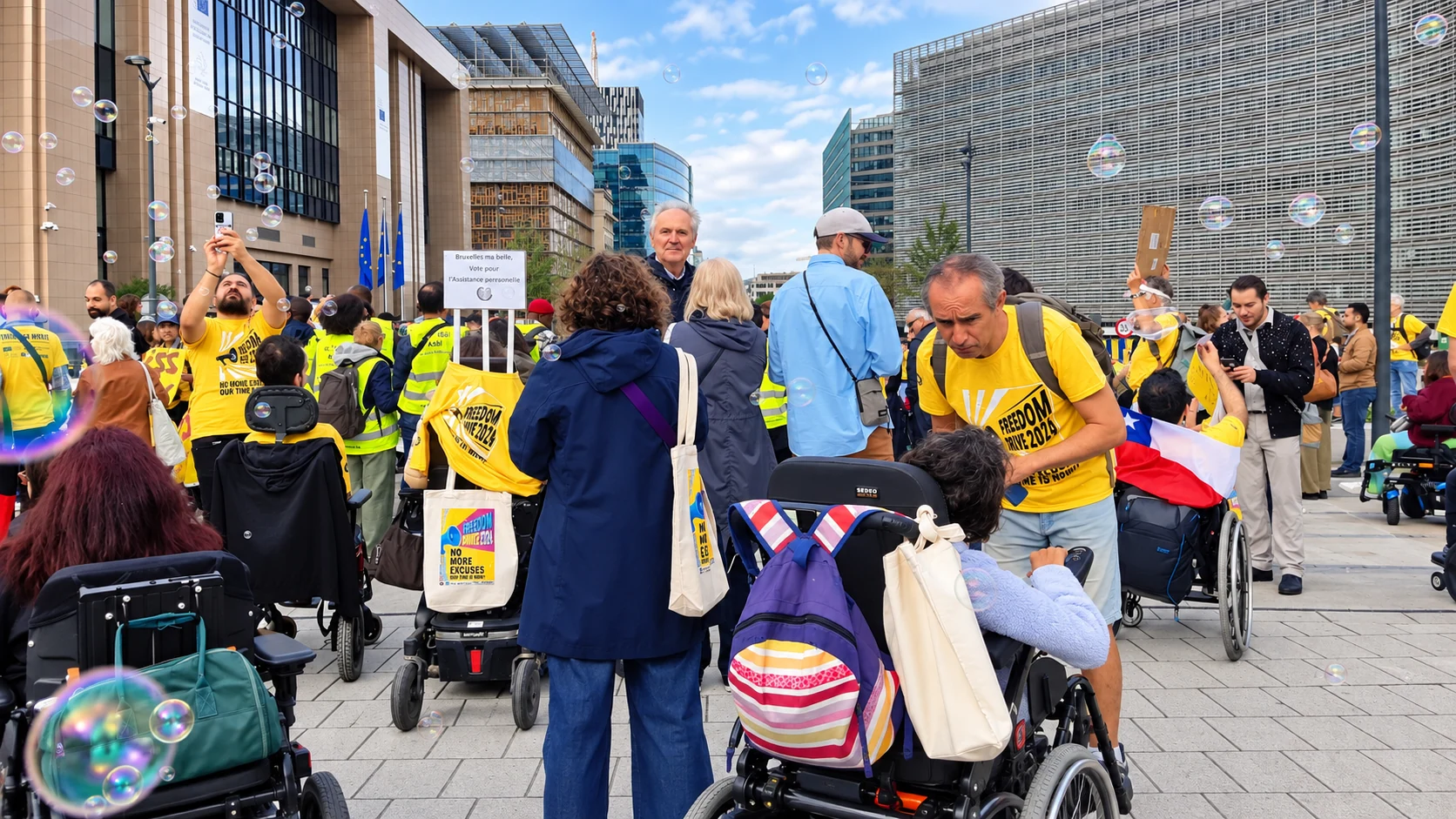
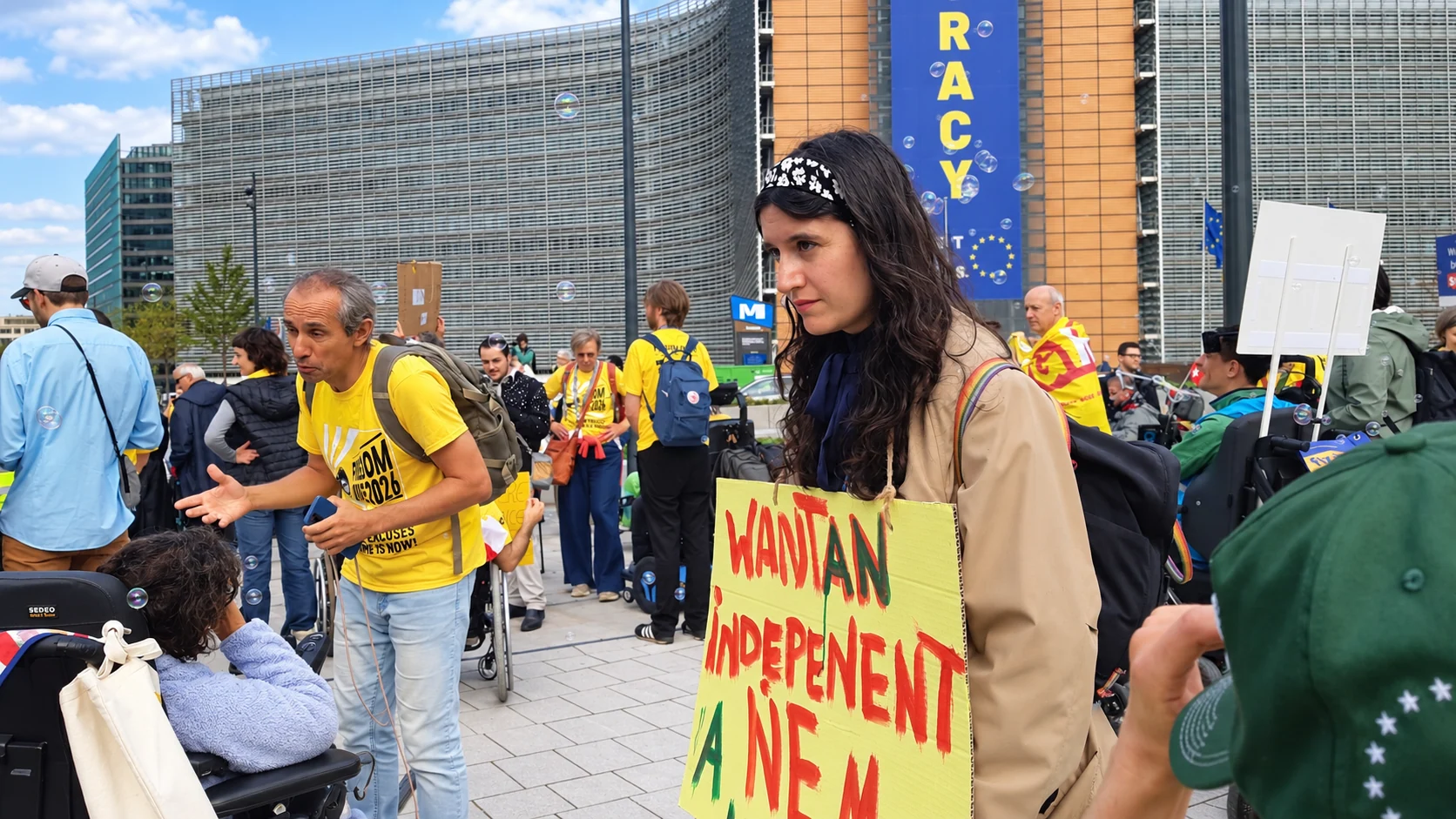
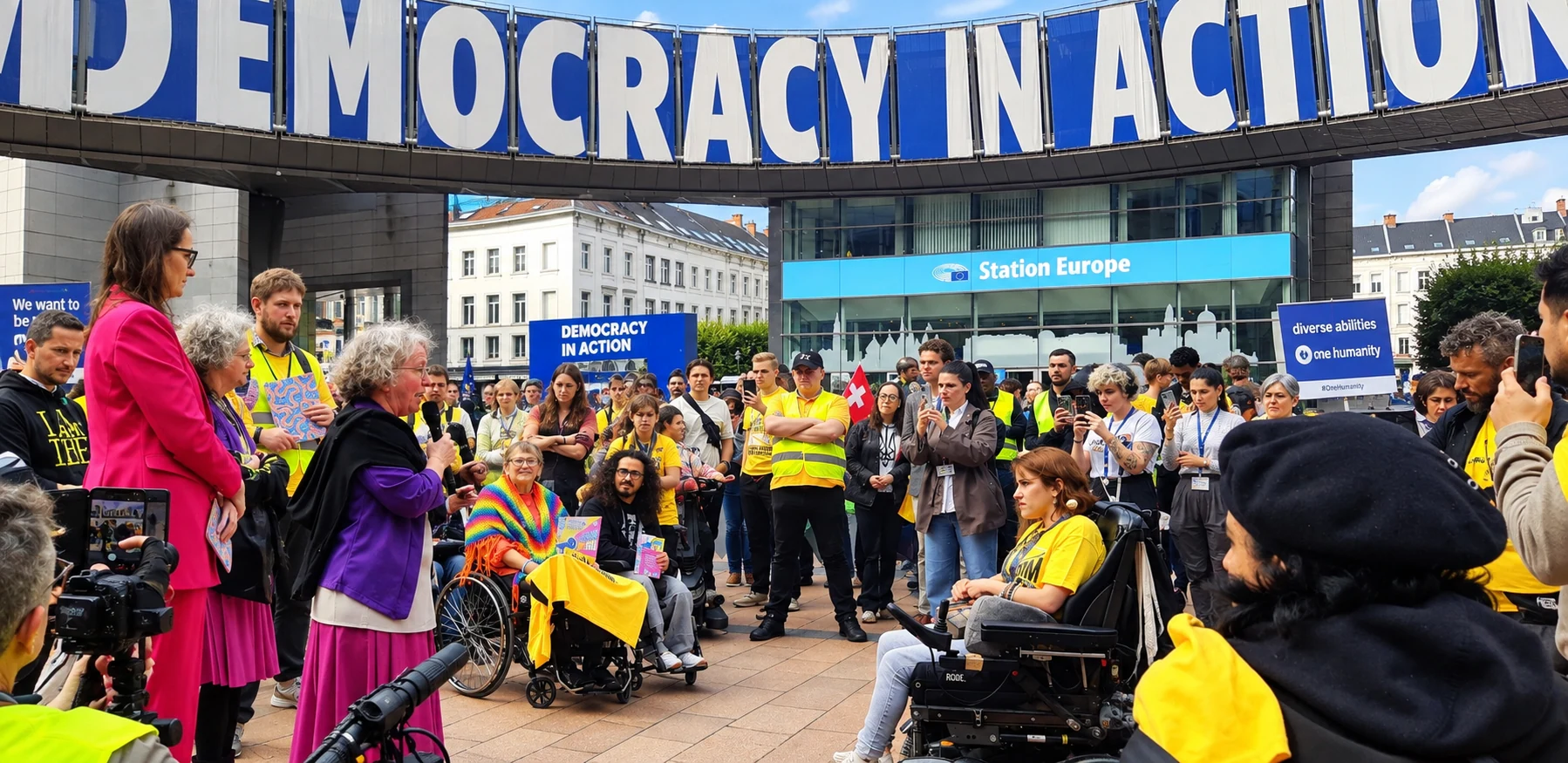
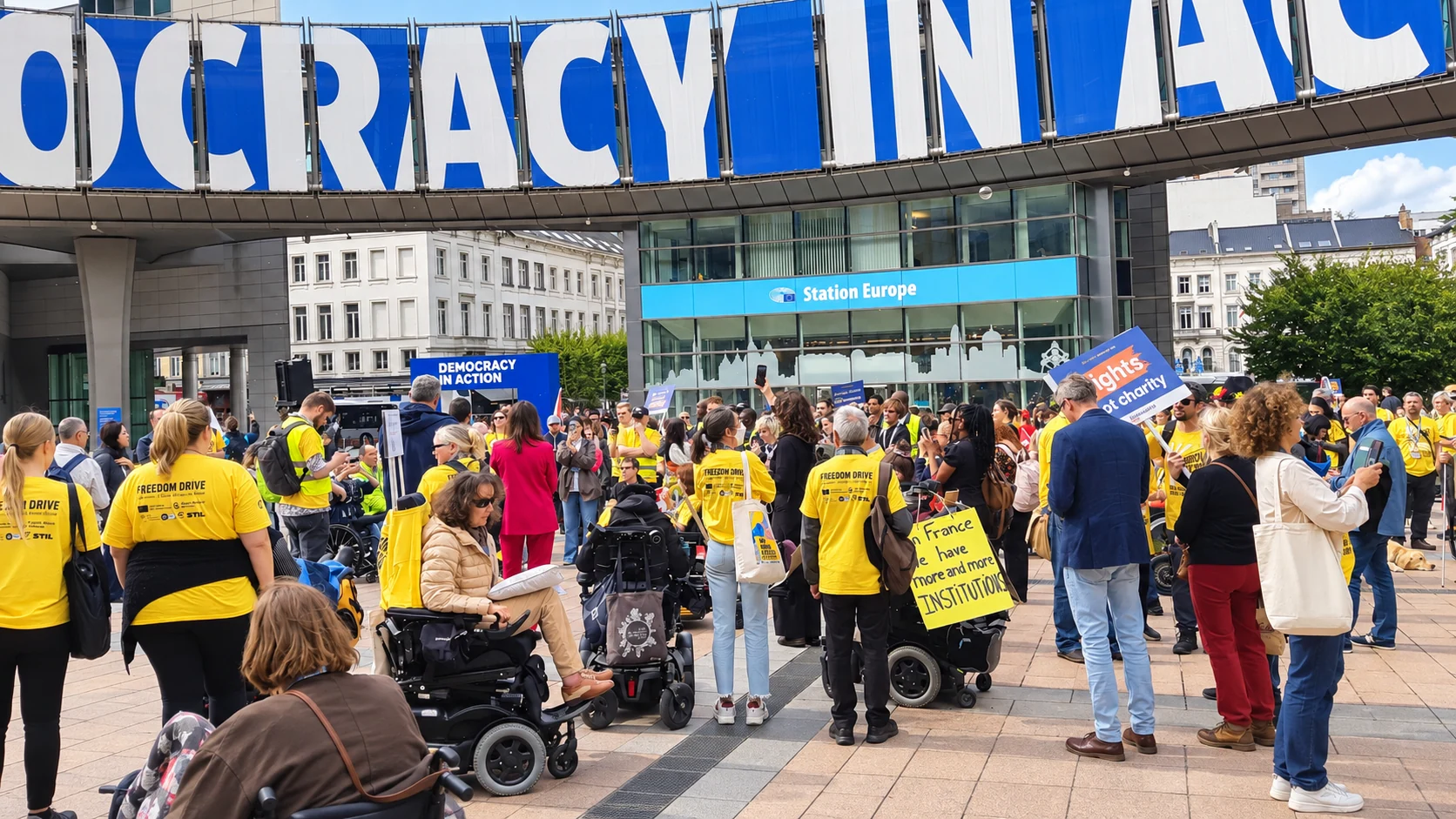
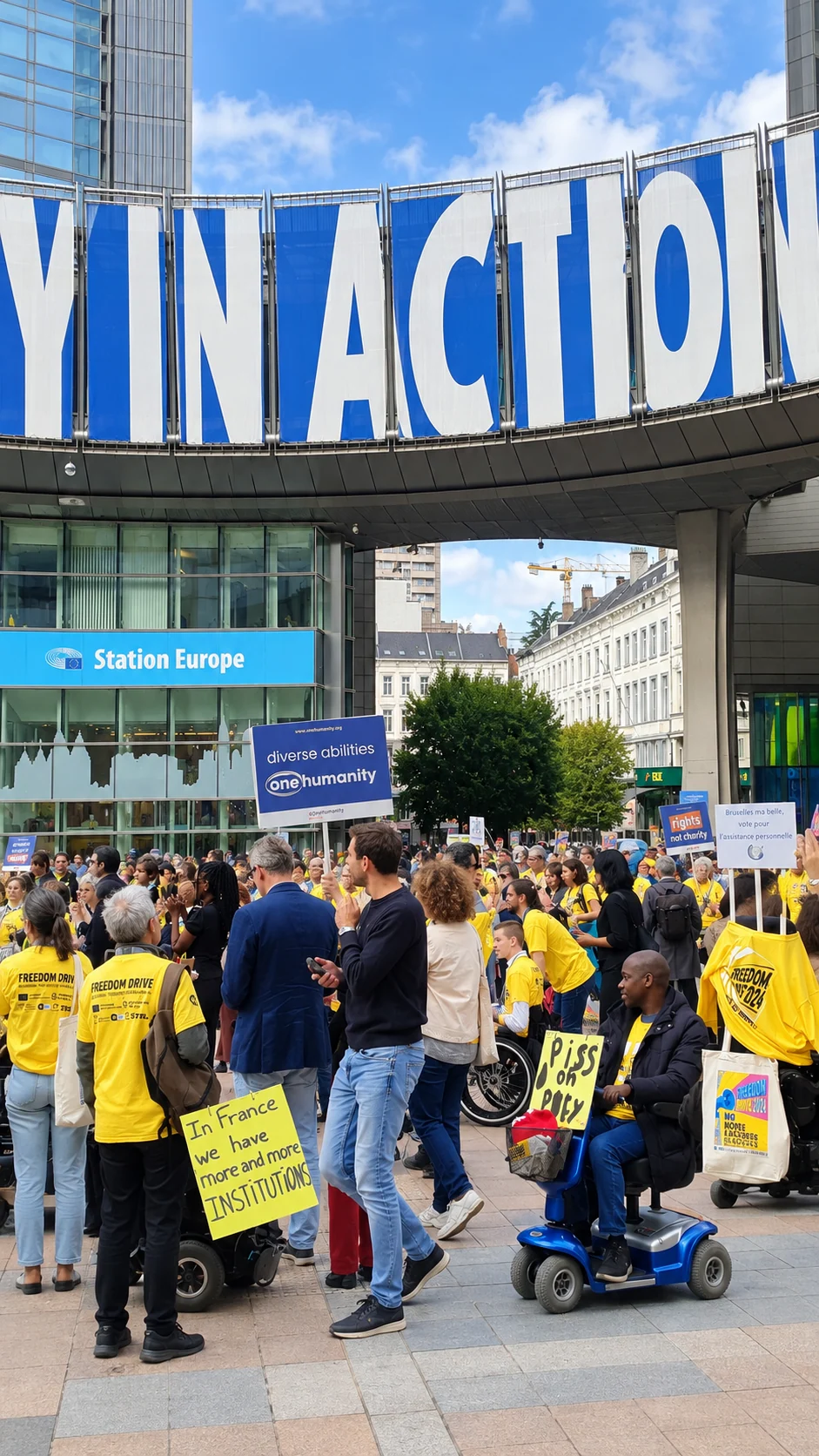
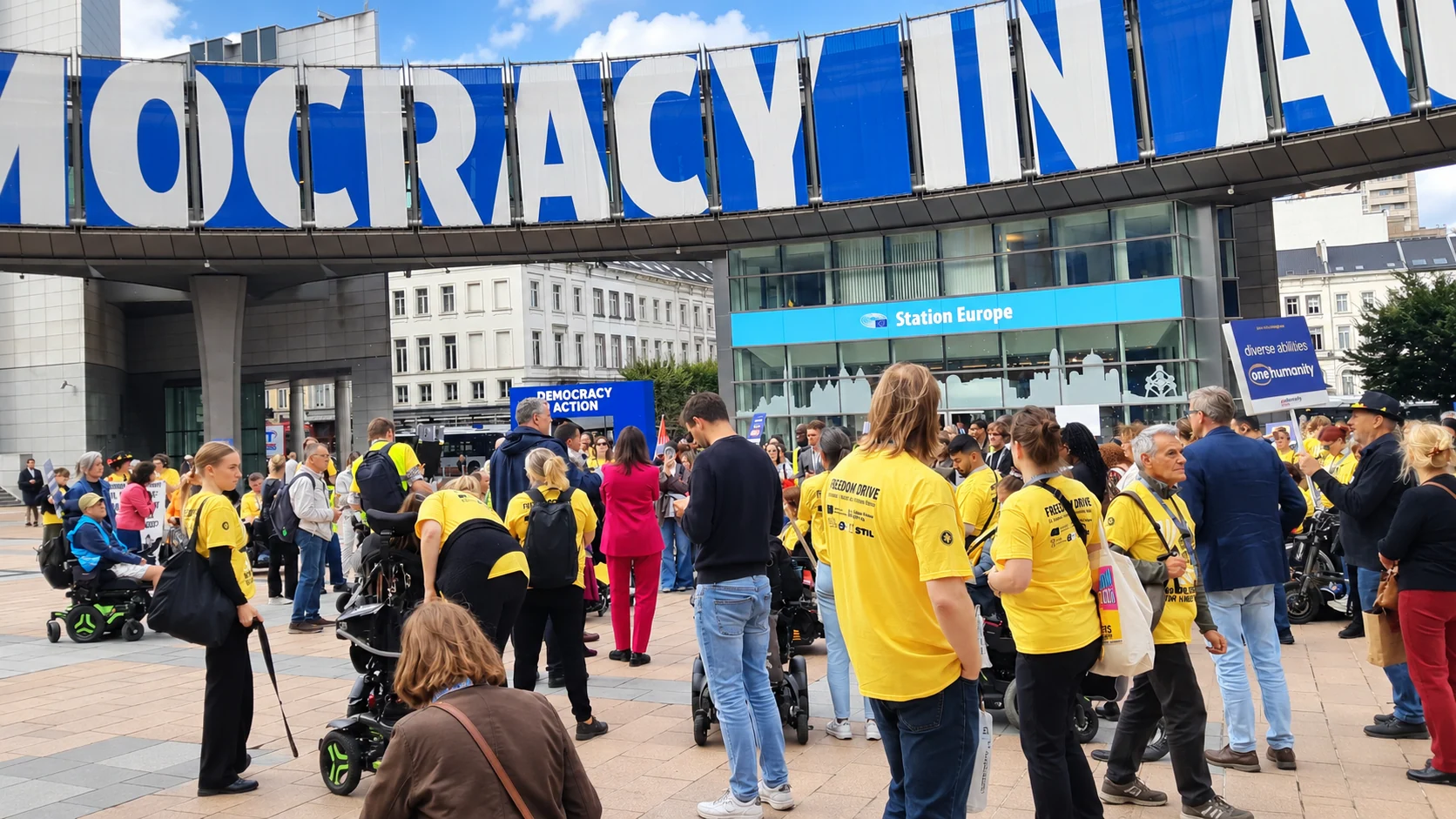
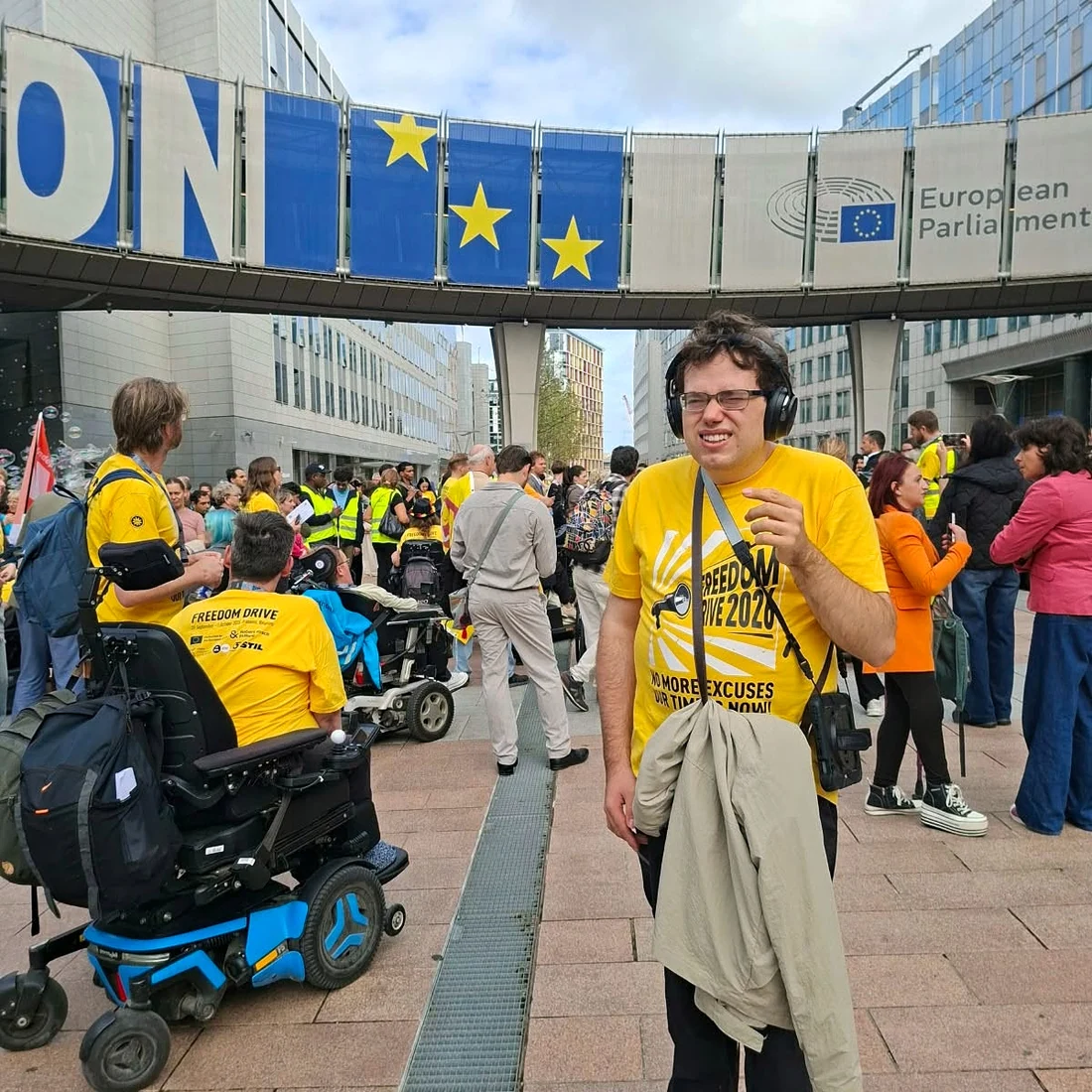
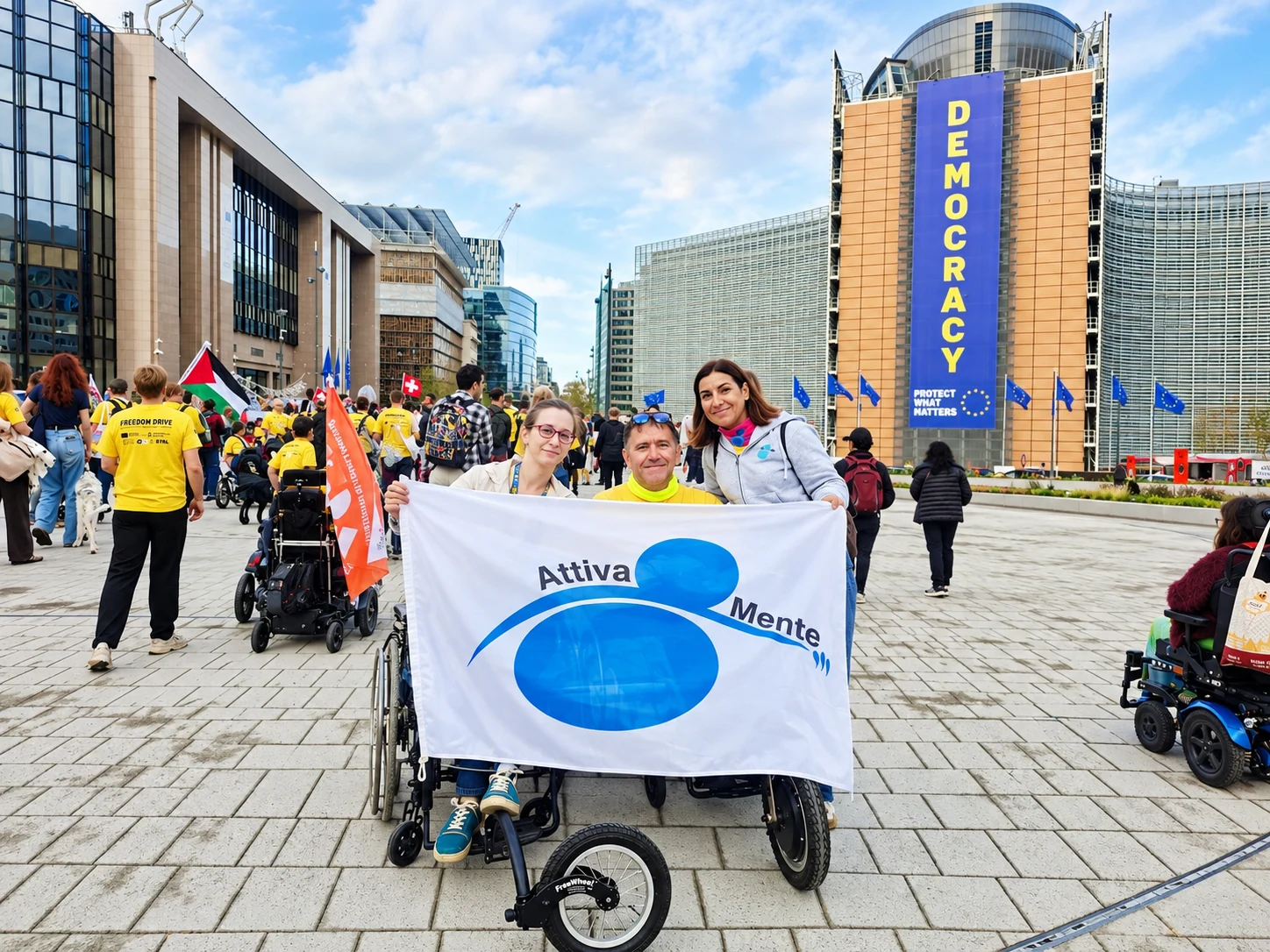
Being here means coming together, making our experiences visible, saying what we think and putting forward proposals.
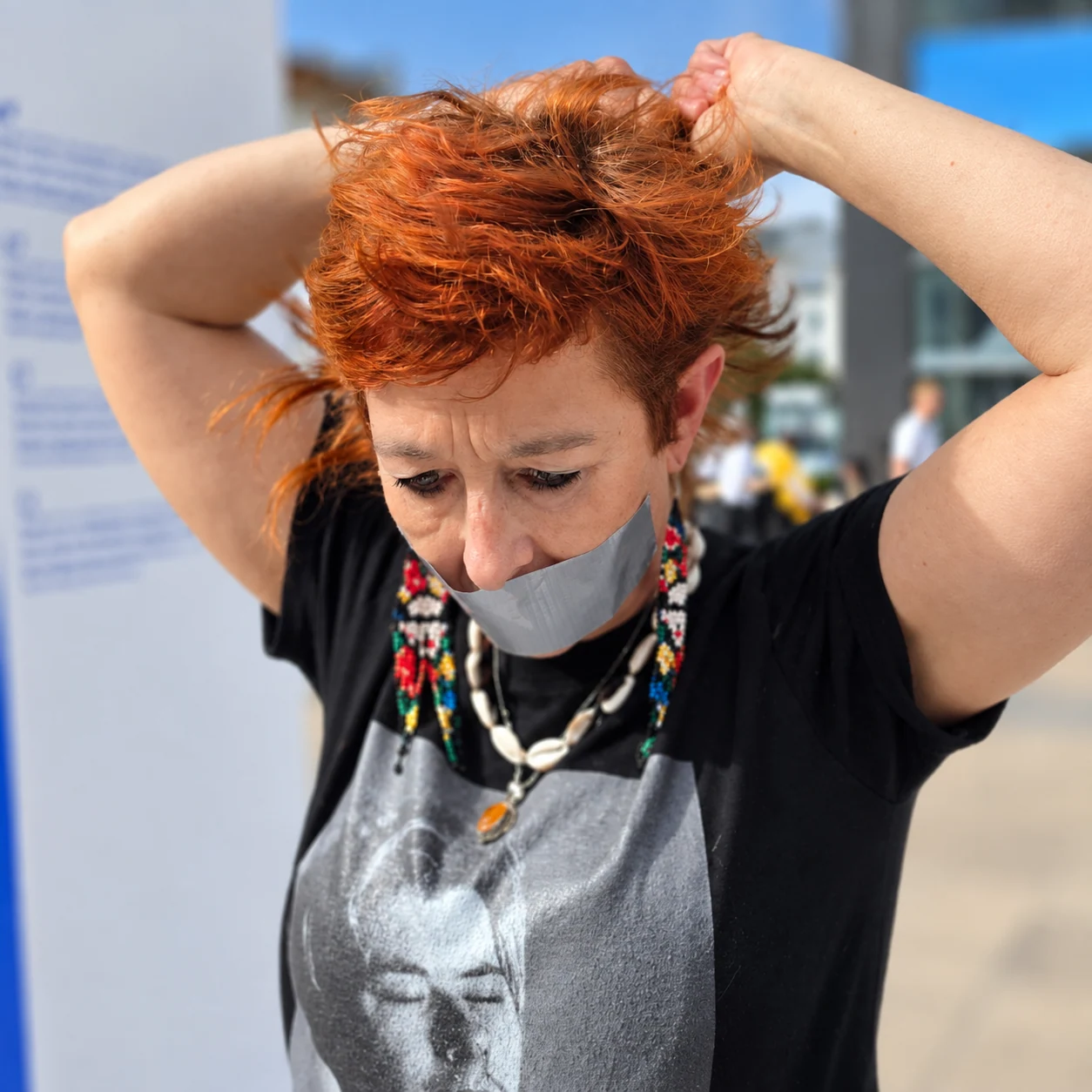
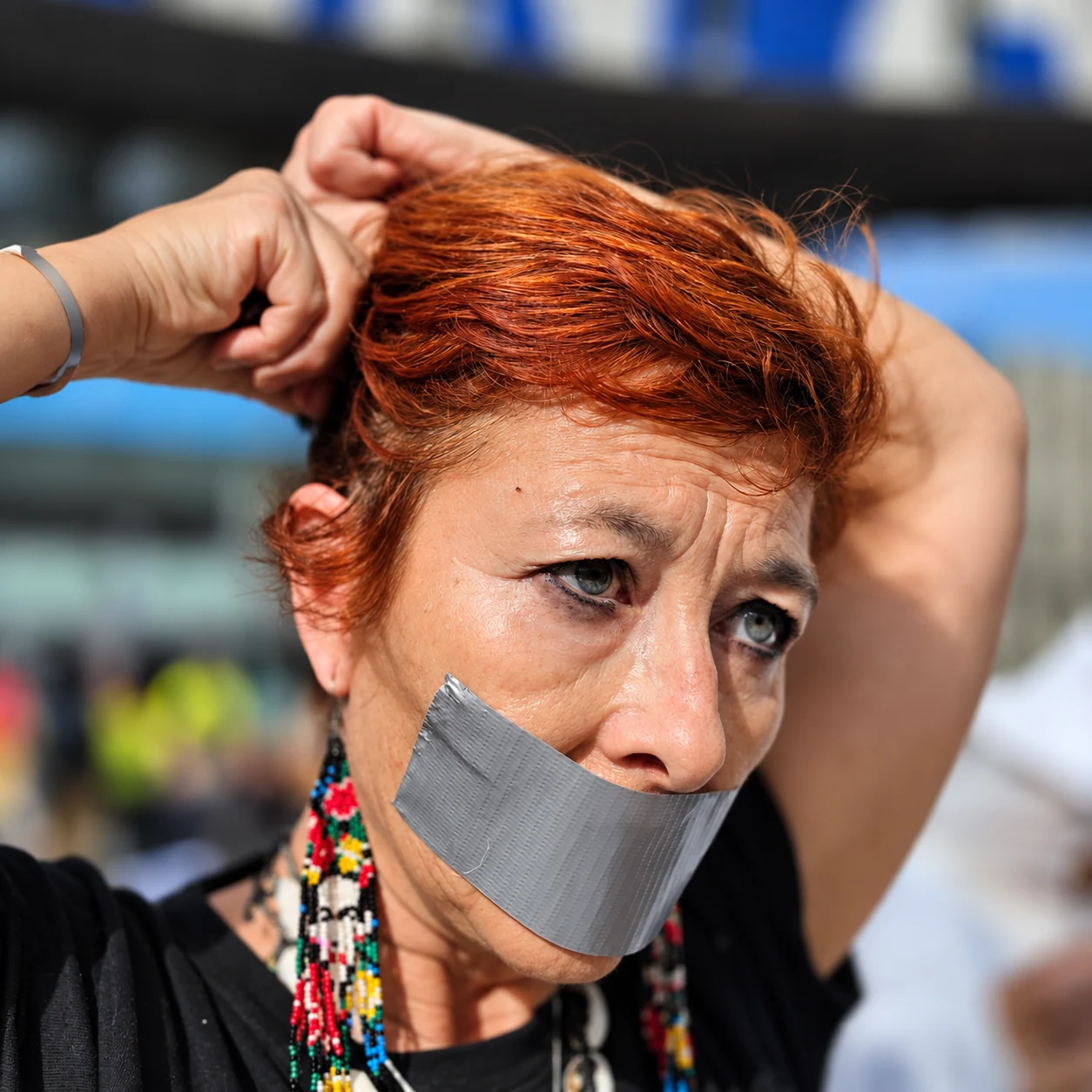
And the value of a voice does not depend on how loud it is.
Then, as always, there is the pleasure and satisfaction of meeting again, getting to know one another and laughing together. This does not make what we say any less serious. These encounters also bring hope, energy and the discovery that we are not alone in our experiences.
I would like this day to leave us with that feeling too.
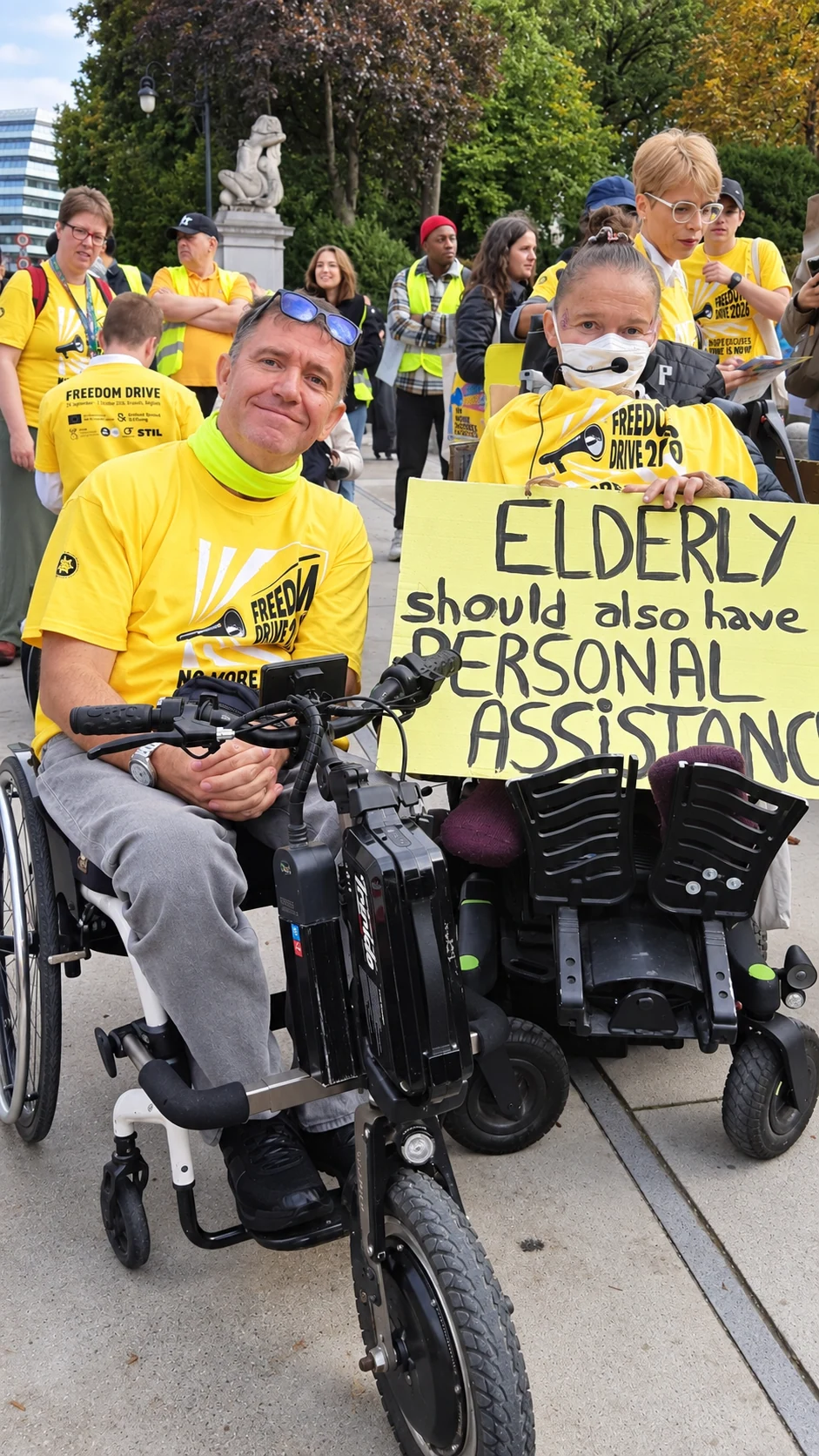
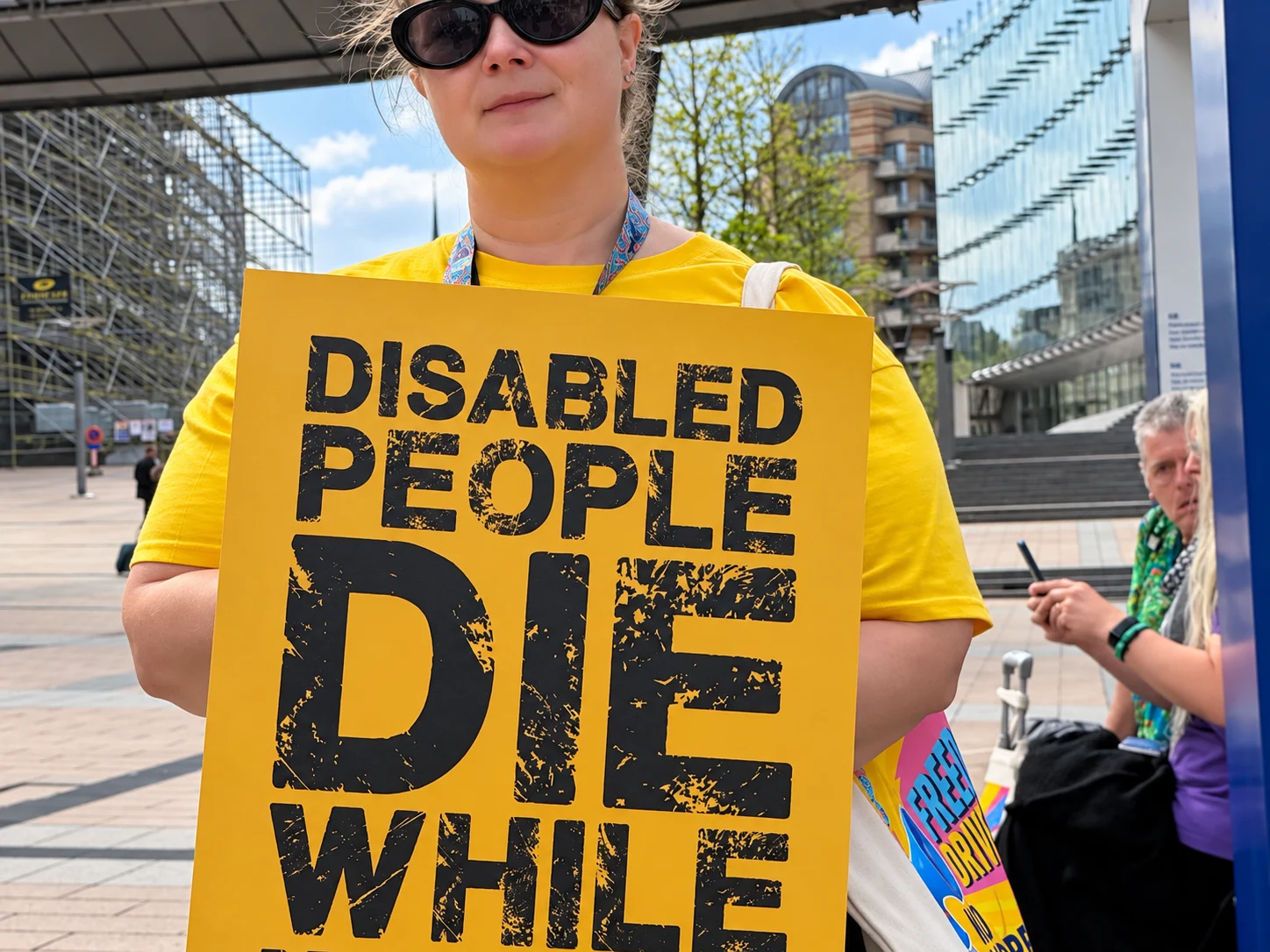
But I would also like to spare a thought for those who wanted to be here and could not: because transport was inaccessible, assistance was unavailable, travel was too expensive, or essential support could not be arranged.
Their absence must strengthen our commitment to creating better conditions so that everyone can participate and express themselves directly, using their own means and at their own pace.
Our “we” has meaning when it helps each person make their own voice count.
Friends, Freedom Drivers,
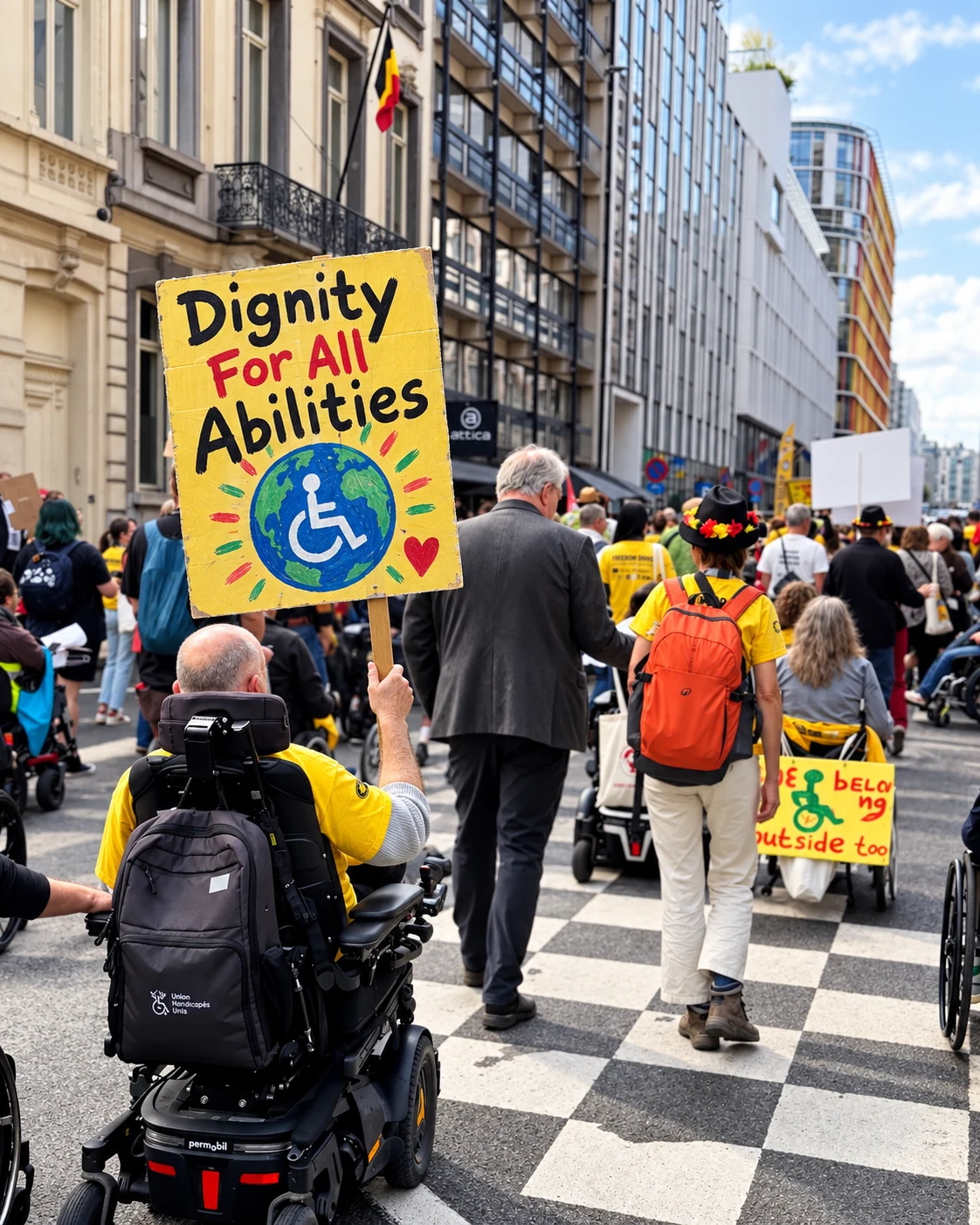
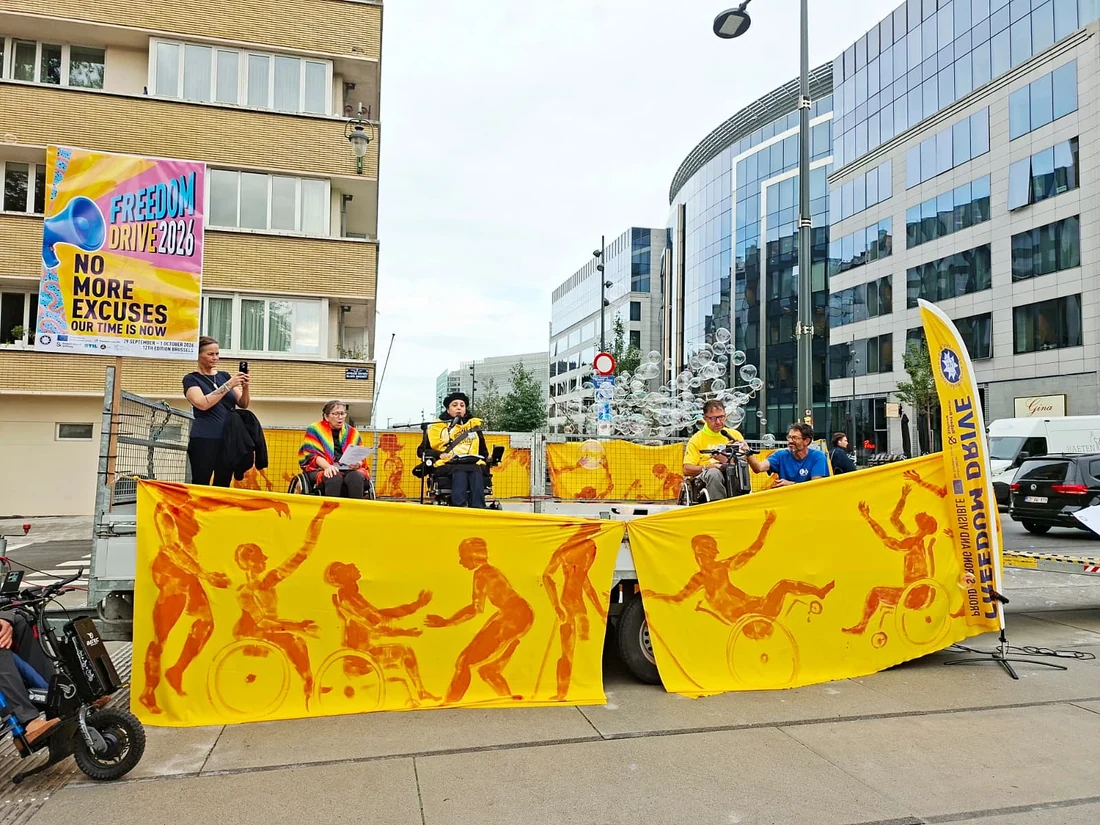
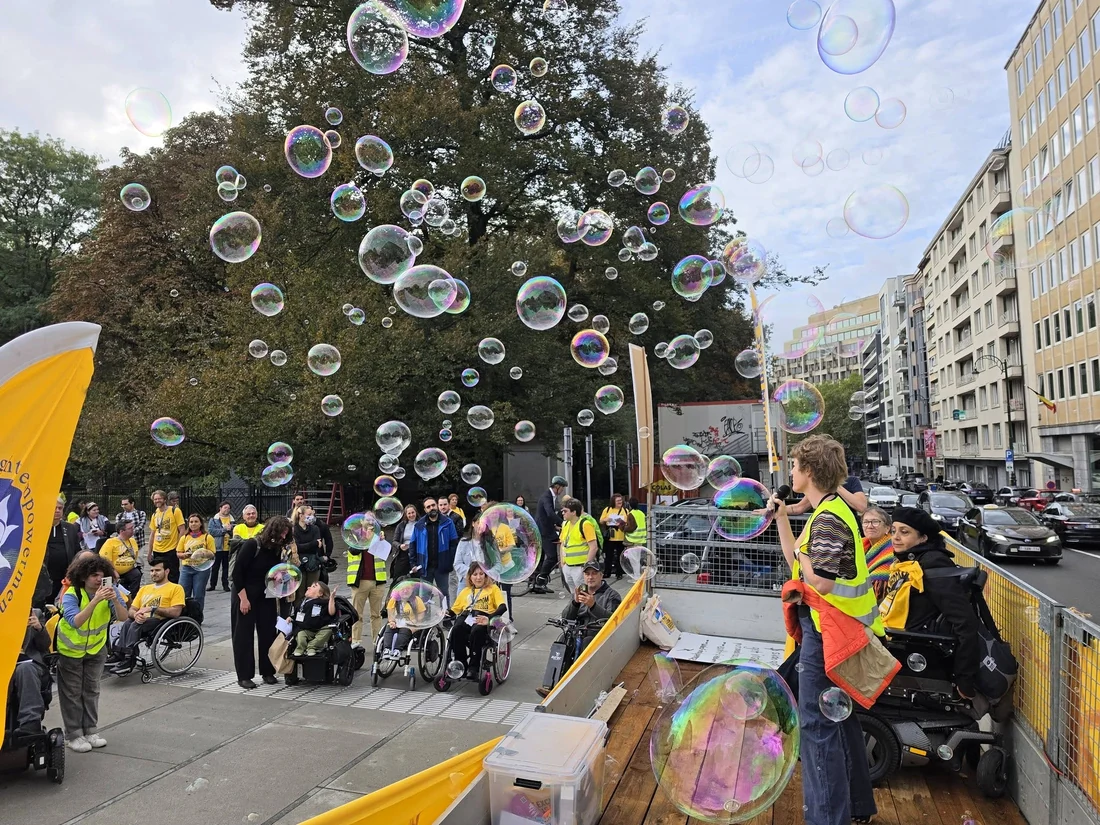
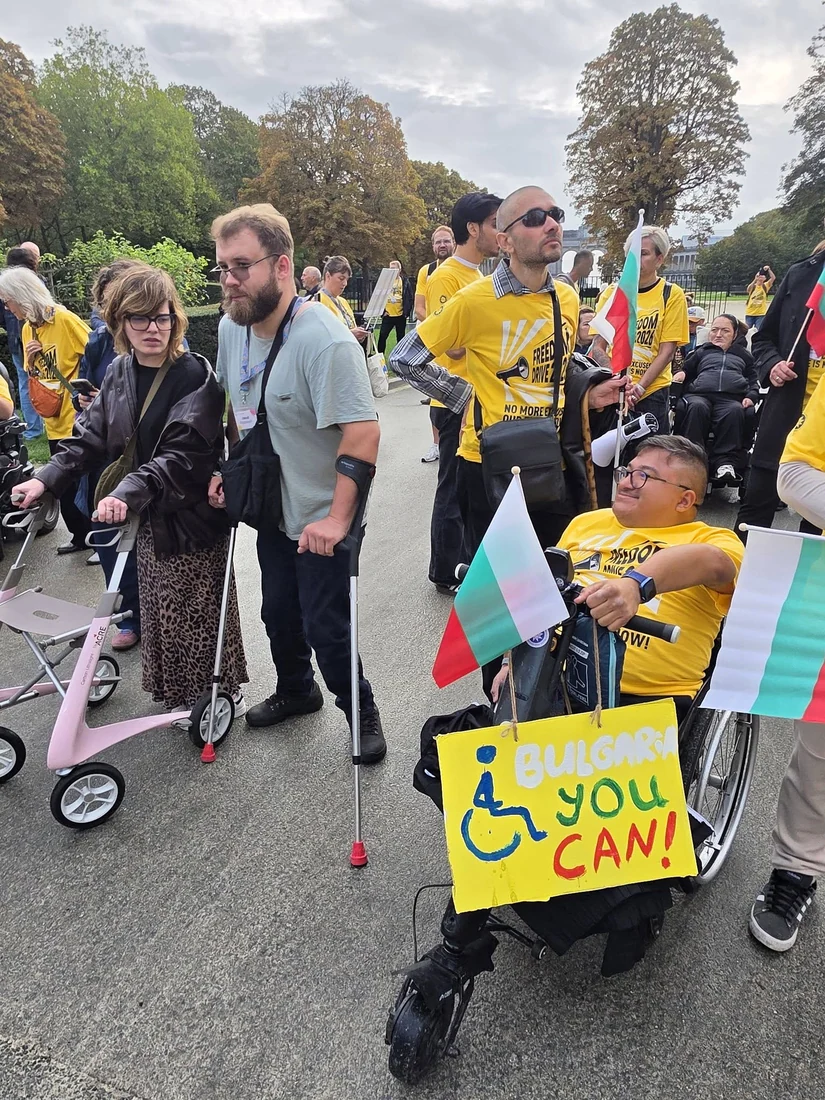
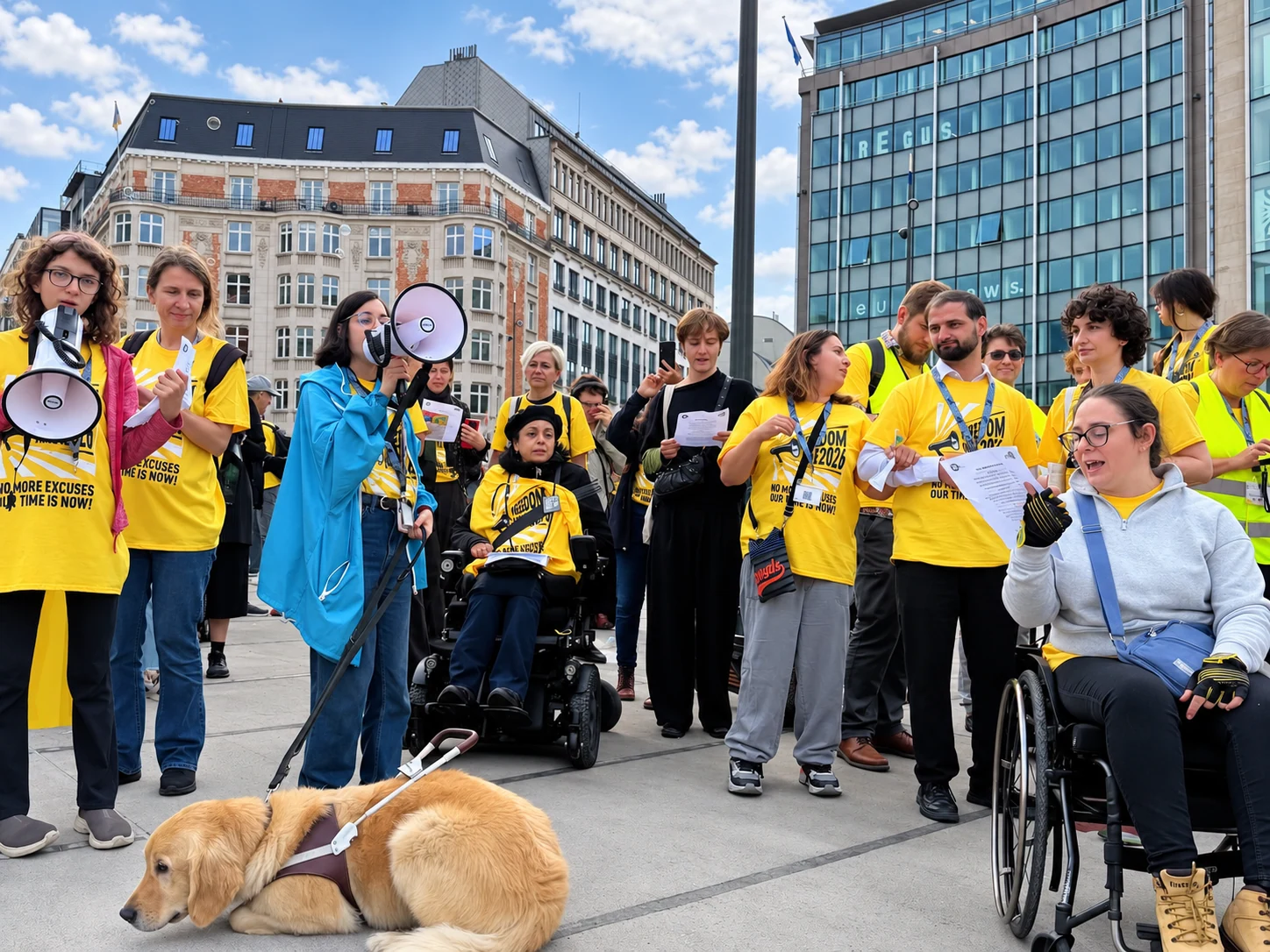
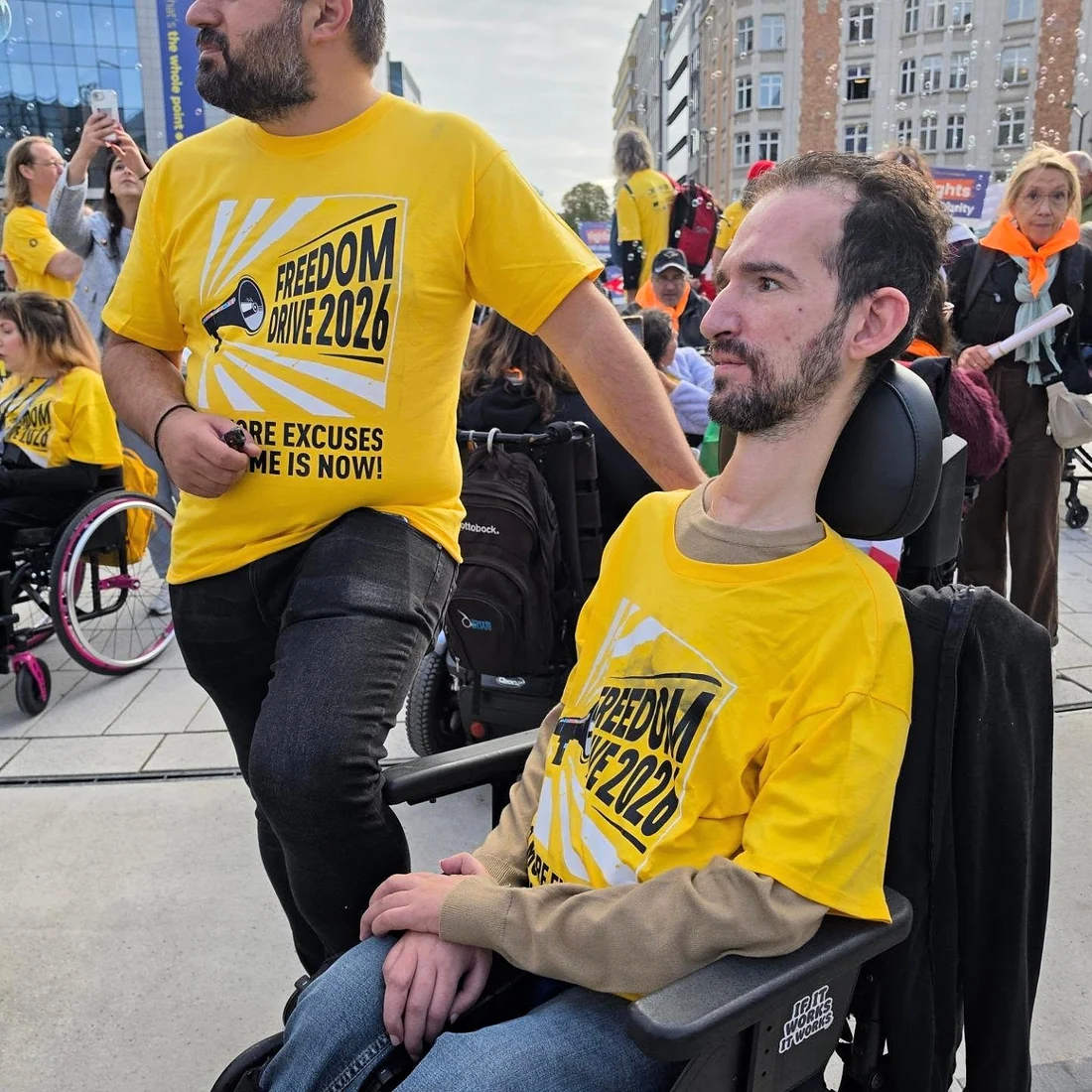
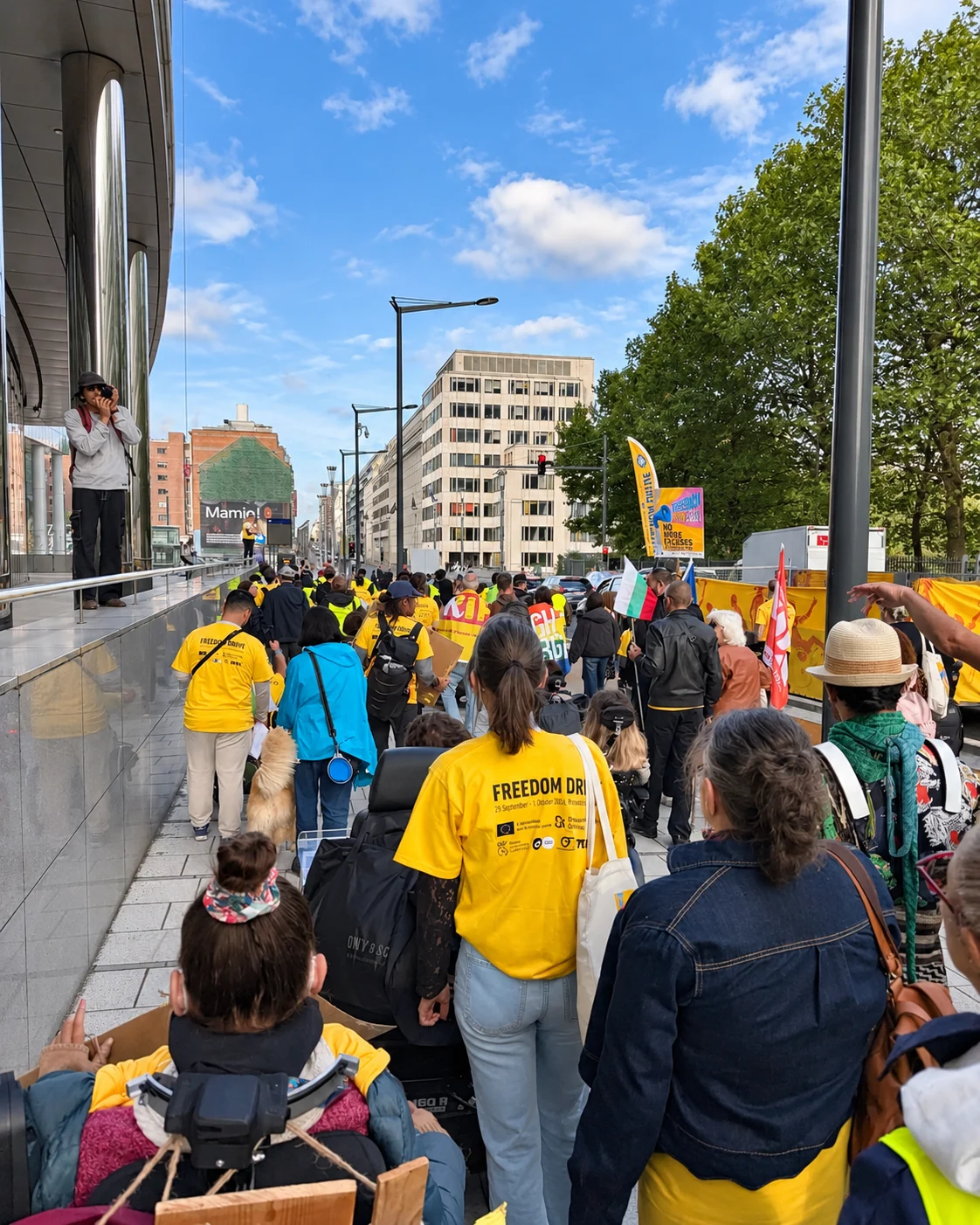
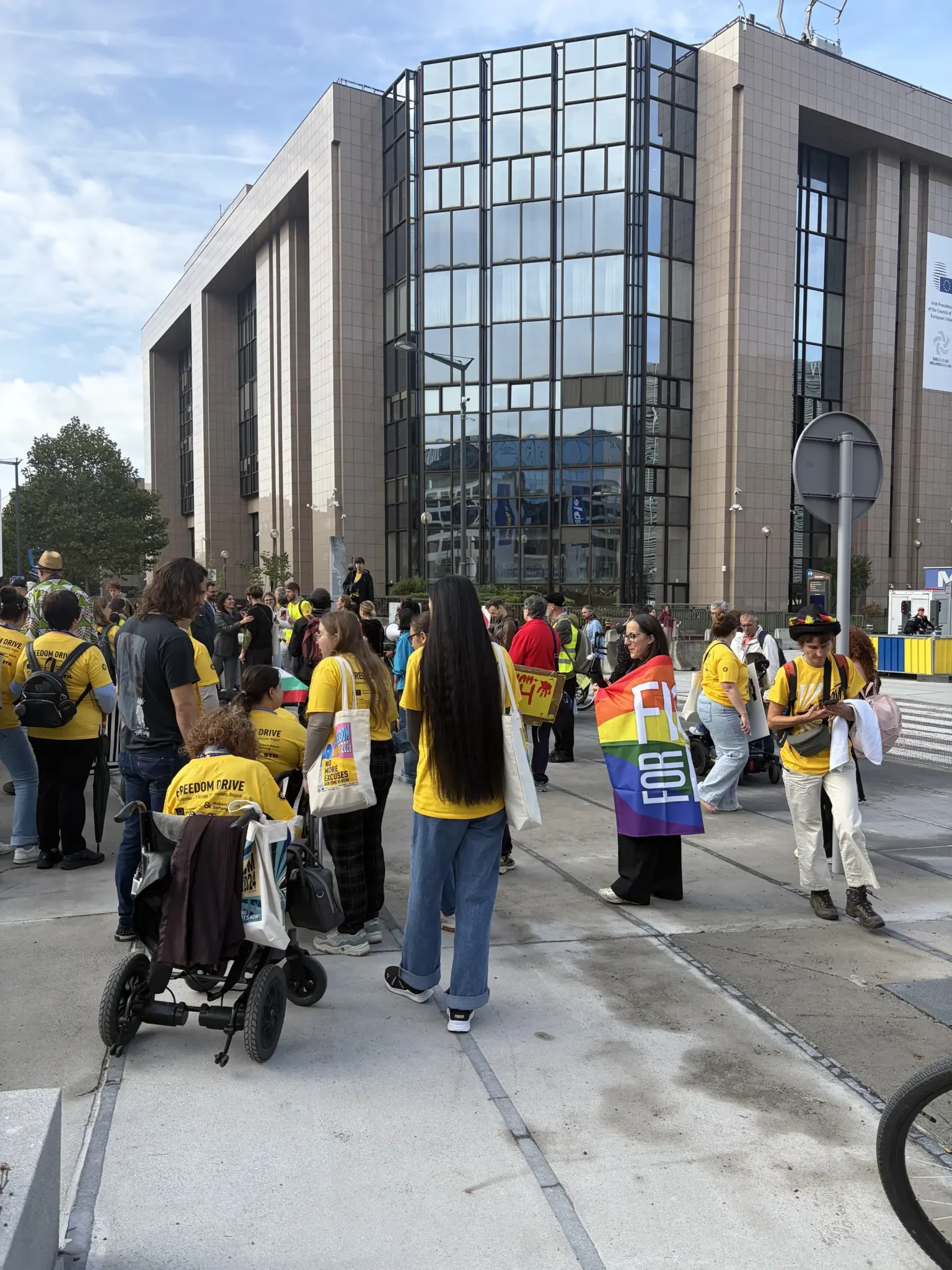
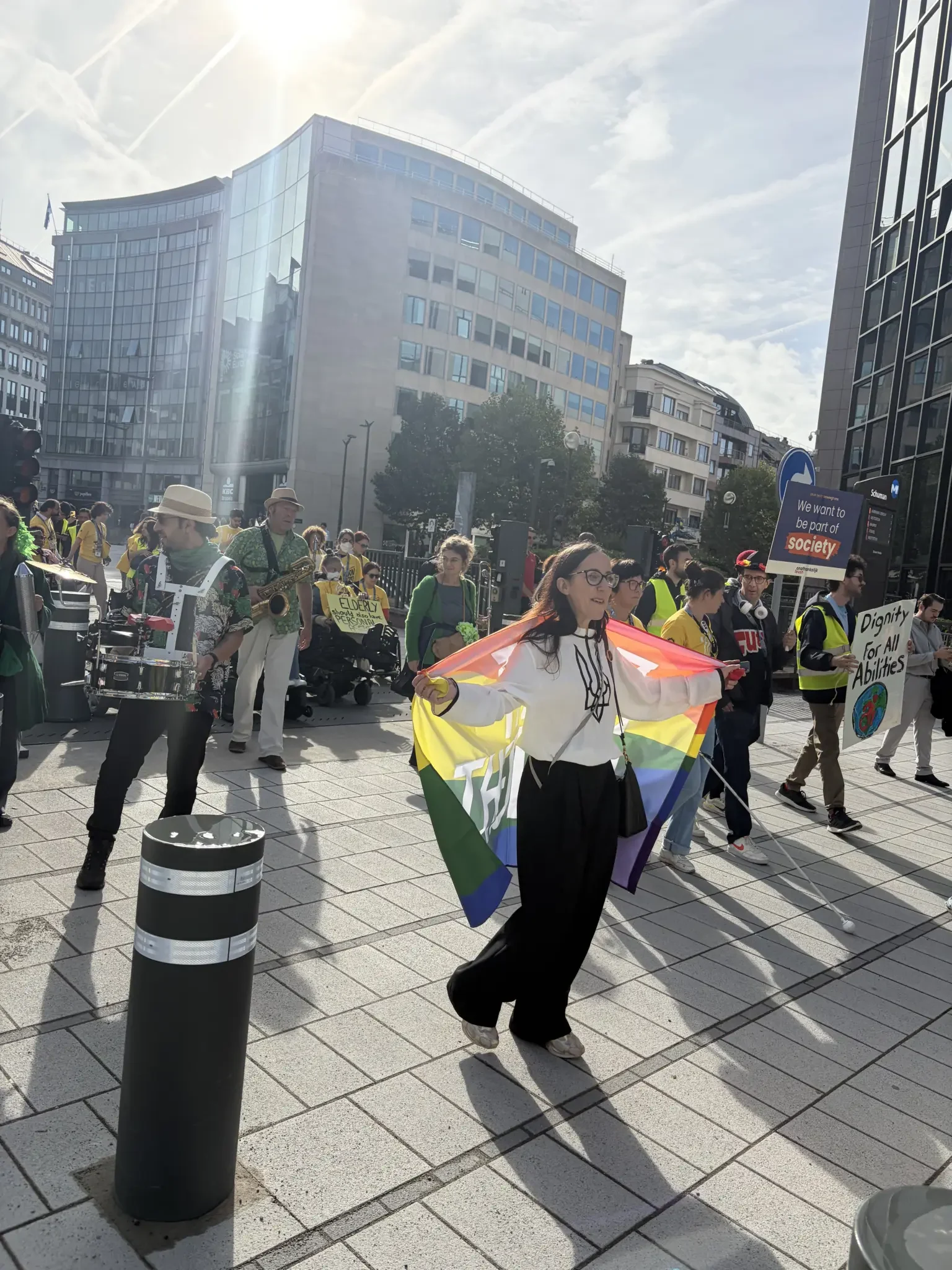
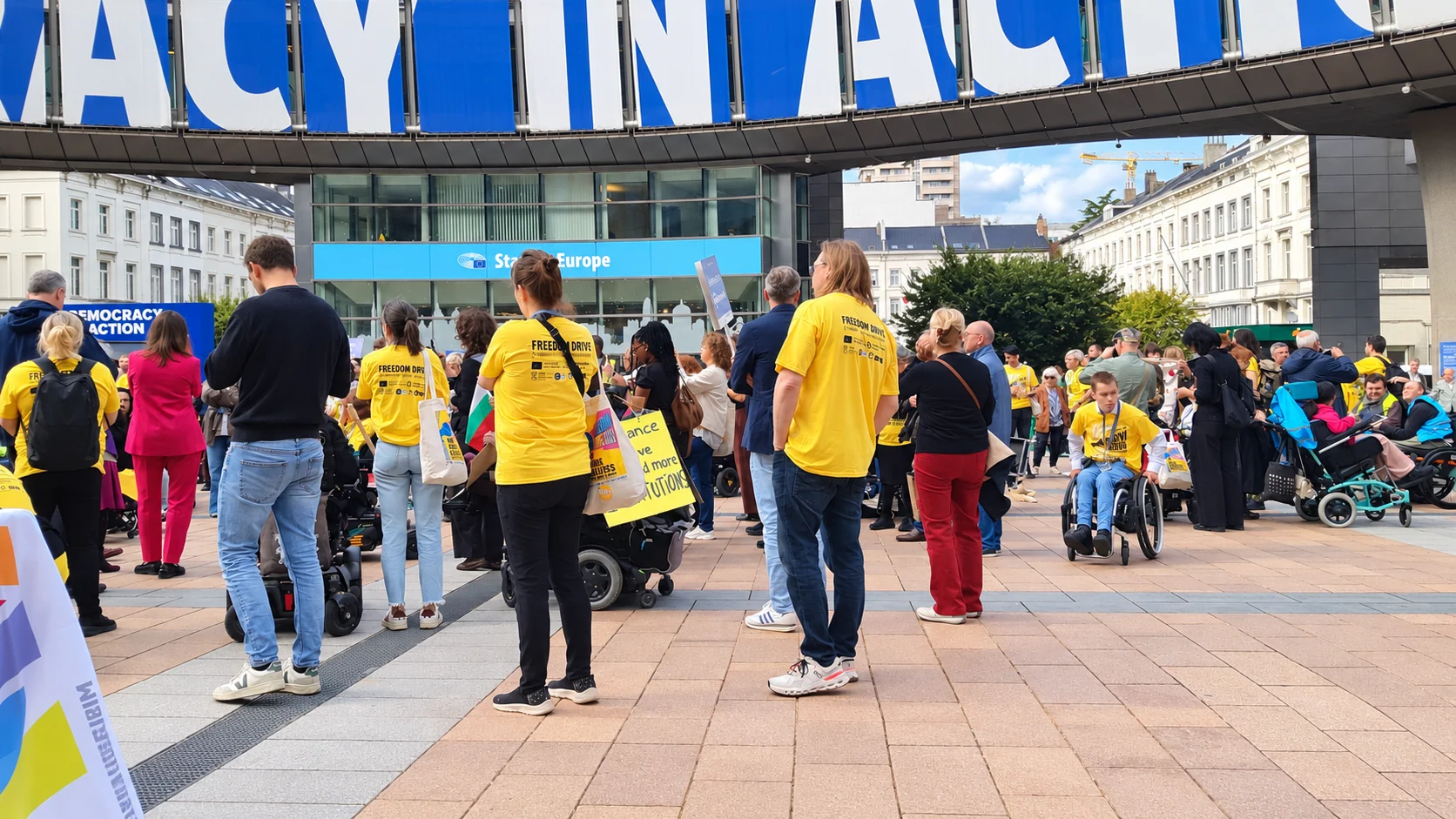
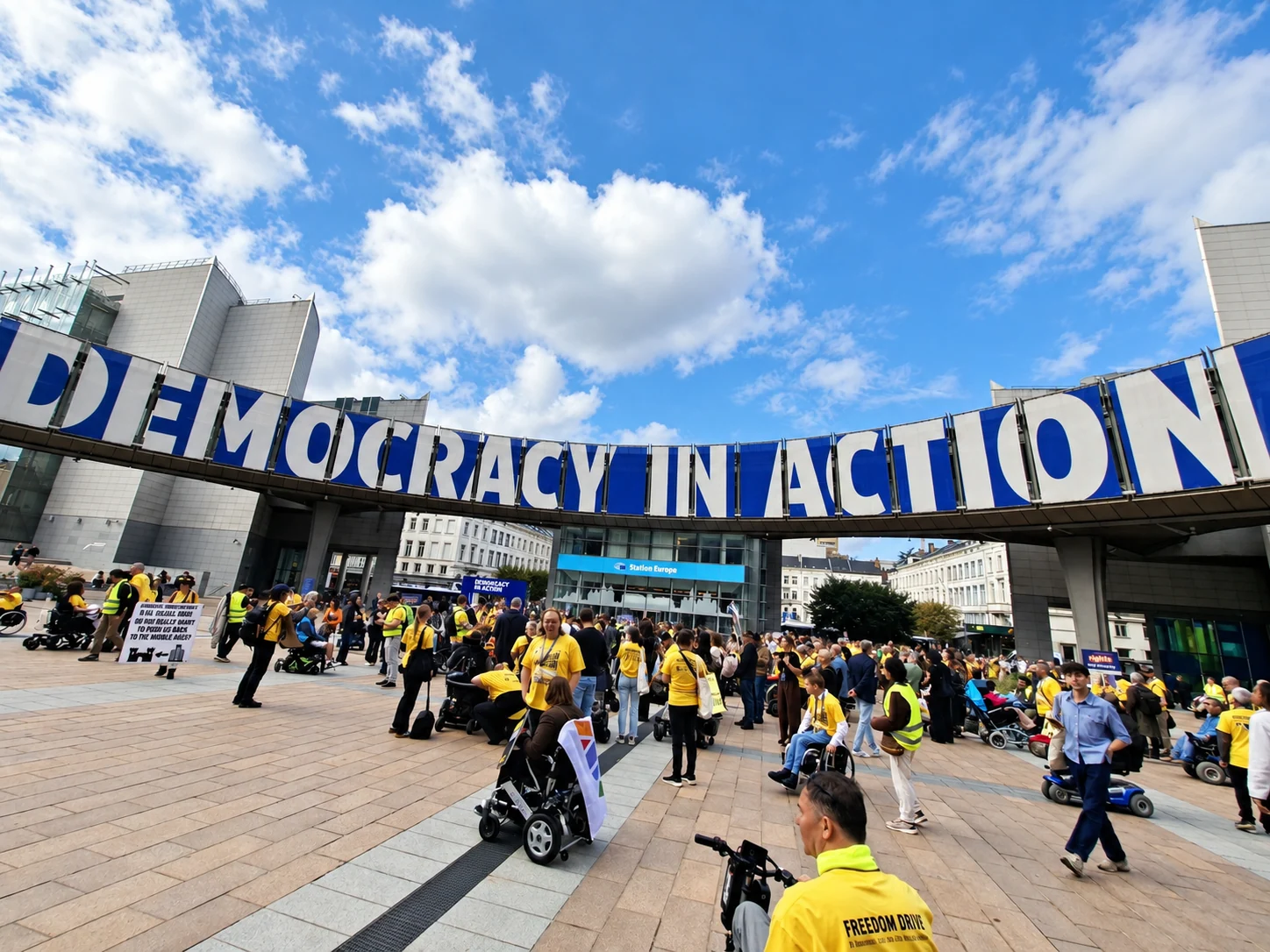
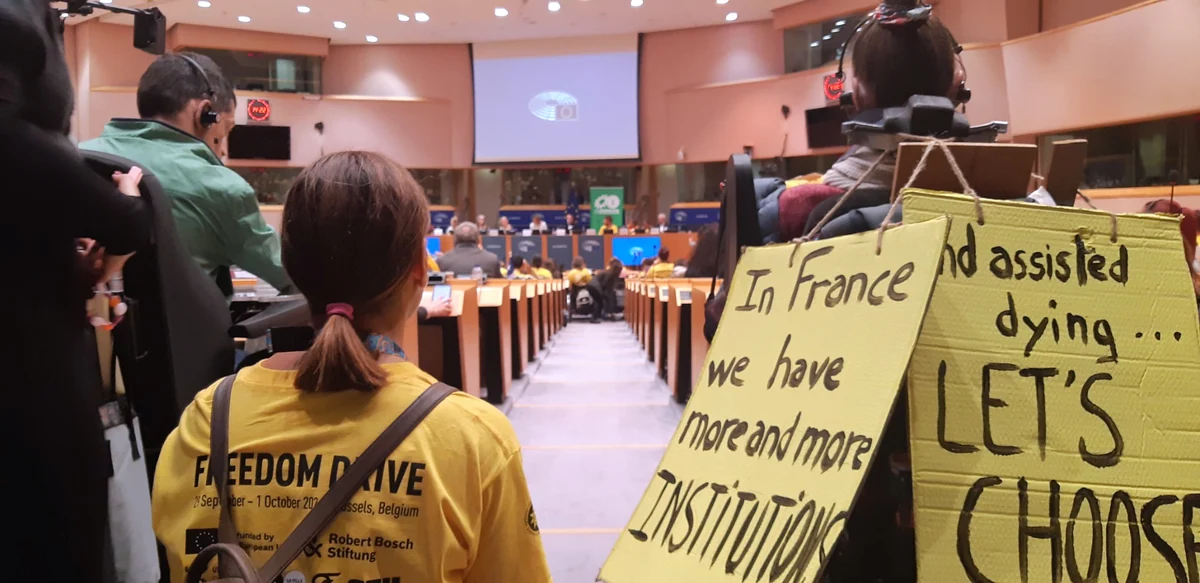
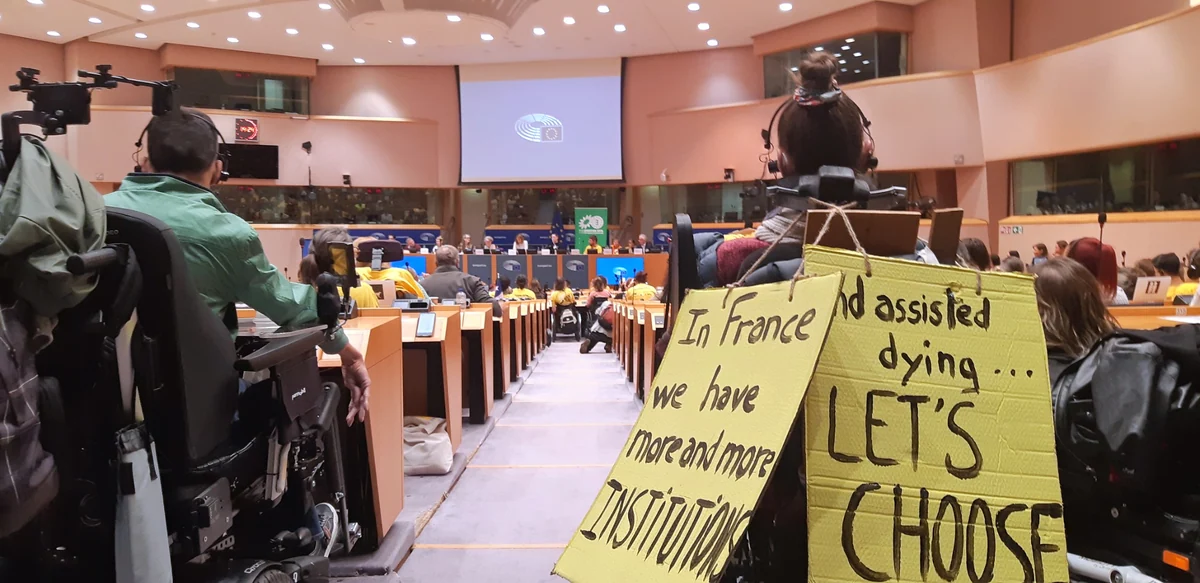
We will soon begin our march. Let us bring with us our languages, our experiences and our ways of communicating. Our willingness to listen and our freedom to speak.
We do not all need to have the same story to build something together. And we do not all need to have the same voice to listen to one another.
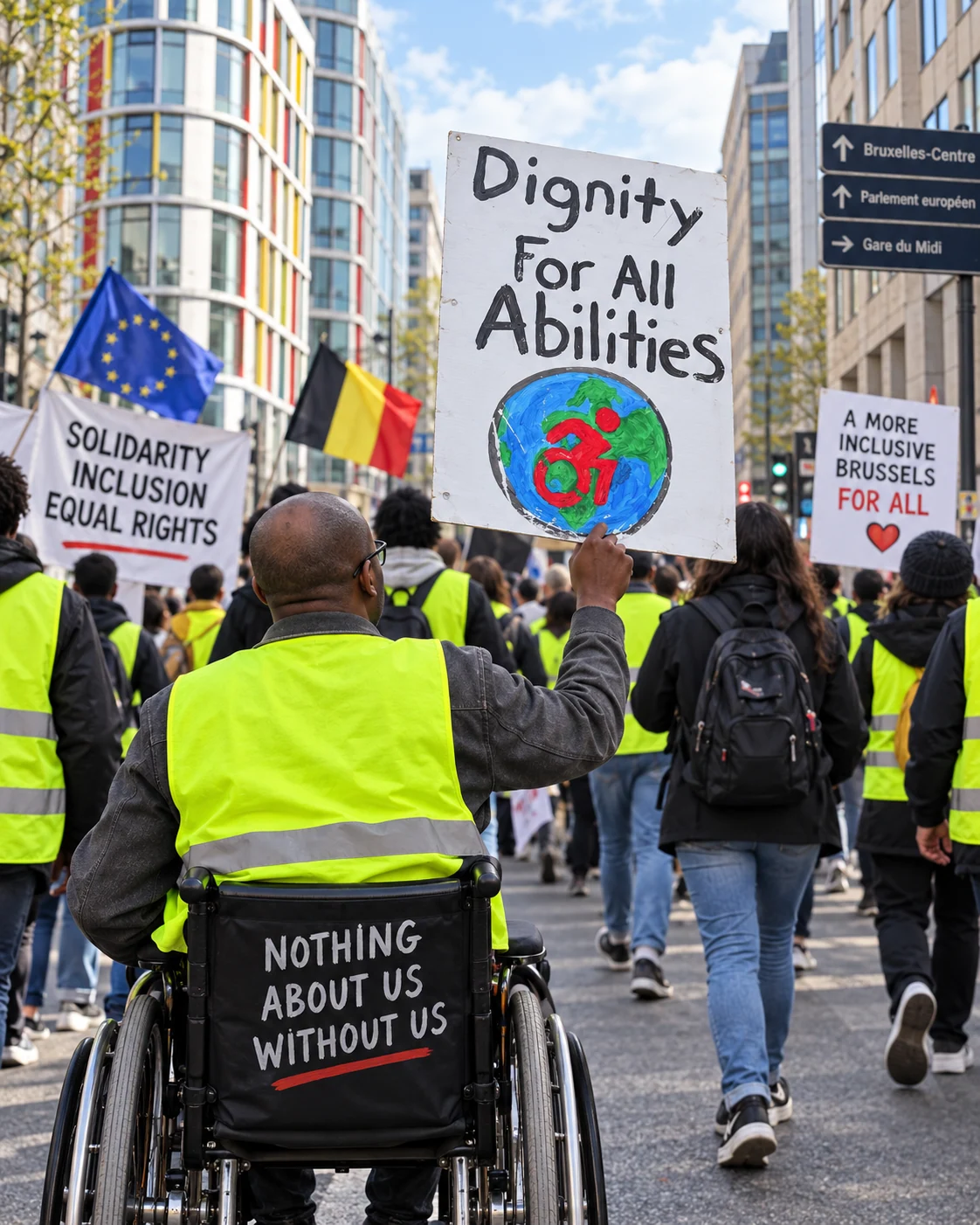
The time we have in our lives belongs to us. Decisions about our lives cannot be made without us. This is the responsibility we share within our movement.
Our freedom and our independence are our strength.
And our lives are not a waiting room.
No more excuses!
Our time is now!
Our time. Our choices. Our voice.
Together! Thank You